






What's Happening?
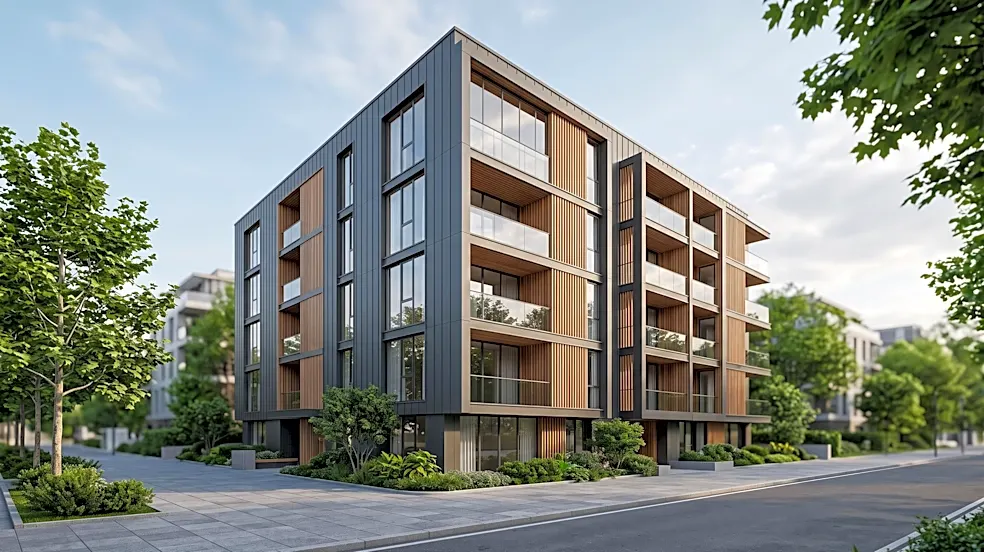
WinnCompanies, in collaboration with state and local officials, has completed The Residences on Lincoln Square in Worcester, Massachusetts. This $51 million hybrid development transformed the historic Worcester Boys Club building into 16 apartment homes
and community spaces, while also constructing a new five-story apartment building offering 64 additional units. The project provides 80 new homes for seniors, contributing to affordable housing options in the city. Governor Maura Healey emphasized the importance of providing safe, affordable housing for Massachusetts residents, particularly seniors, and praised the project for preserving community character. The Residences on Lincoln Square is part of a larger 164-unit housing campus by WinnCompanies, which began in 2013 with the opening of Voke Lofts, an 84-unit mixed-income community. The new affordable housing community is fully leased, and the adjacent new construction apartment building was built to the Passive House Institute U.S. (Phius) standard, a rigorous energy performance measure.
Why It's Important?
This development is significant for Worcester as it addresses the critical need for affordable housing, especially for the senior population. By transforming a long-vacant historic landmark, the project not only provides much-needed residential units but also contributes to urban revitalization and the preservation of local heritage. The integration of the Passive House Institute U.S. (Phius) standard in the new construction highlights a commitment to sustainable and energy-efficient building practices, which can lead to lower utility costs for residents and reduced environmental impact. The completion of The Residences on Lincoln Square, alongside Voke Lofts, creates a diverse housing campus that caters to various income levels and age groups, fostering a more inclusive community in downtown Worcester. This initiative aligns with broader state efforts to increase housing availability and affordability across Massachusetts, demonstrating a collaborative approach between private developers and government entities to tackle housing challenges.
What's Next?
With The Residences on Lincoln Square now fully leased, the immediate next step involves the continued occupancy and integration of residents into the new community. The success of this project may serve as a model for future developments in Worcester and other Massachusetts cities facing similar housing shortages and the need for historic preservation. State and local officials, including Governor Maura Healey, have expressed strong support for such initiatives, indicating a potential for continued public-private partnerships in affordable housing. The use of the Passive House standard could also influence future construction projects, promoting more widespread adoption of energy-efficient building techniques. The completion of this project reinforces WinnCompanies' role in developing mixed-income communities and could lead to further investments in similar housing solutions within the region, contributing to the ongoing efforts to expand housing access and affordability.
Beyond the Headlines
The development of The Residences on Lincoln Square extends beyond simply providing housing; it represents a broader trend in urban planning that prioritizes adaptive reuse of historic buildings and sustainable construction. The transformation of the former Boys Club building into residential units not only preserves a piece of Worcester's history but also demonstrates how older structures can be repurposed to meet contemporary needs, reducing urban sprawl and promoting density in city centers. The adherence to the Passive House standard signifies a growing awareness of climate change and the importance of reducing carbon footprints in the built environment. This approach can influence public policy towards incentivizing green building practices and could set a precedent for future developments seeking both affordability and environmental responsibility. The project also highlights the social benefit of creating age-restricted housing, allowing seniors to age in place within their communities, fostering intergenerational connections, and supporting a diverse urban fabric.