
What's Happening?
The United Nations has accused Russia of committing crimes against humanity by deporting Ukrainian children from Russian-occupied regions of Ukraine to Russia or Russian-controlled territories. This accusation comes from the U.N. Independent International
Commission of Inquiry on Ukraine, which has documented 1,205 verified cases of such deportations. The commission's report indicates that these actions are part of a broader pattern of violations of international law, as the children were not returned, contradicting the temporary nature required under international humanitarian law. The report also highlights that some children were granted Russian citizenship and placed in adoption or foster care programs, suggesting an attempt to integrate them into Russian society. Ukrainian authorities estimate that nearly 20,000 children have been deported or transferred since the conflict began in February 2022.
Why It's Important?
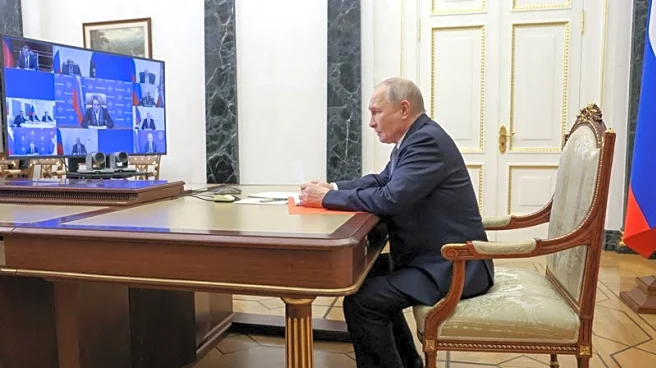
This development is significant as it highlights potential war crimes committed by Russia, increasing international legal pressure on its leadership. The International Criminal Court has already issued arrest warrants for Russian President Vladimir Putin and Russia’s commissioner for children’s rights, Maria Lvova-Belova, for their roles in these deportations. The situation underscores the ongoing humanitarian crisis and the challenges faced by Ukraine in reuniting families. The deportation of children not only violates international law but also has long-term implications for the affected children and their families, potentially altering their cultural and national identities.
What's Next?
The findings could lead to increased international scrutiny and legal actions against Russia. Efforts to return the deported children are ongoing, with Ukrainian authorities and international organizations working to locate and reunite them with their families. The situation may also influence diplomatic relations and international policies regarding the conflict in Ukraine. Continued documentation and advocacy by human rights organizations are expected to play a crucial role in addressing these violations and seeking justice for the affected children and their families.
Beyond the Headlines
The deportation of Ukrainian children raises ethical and cultural concerns, as it involves the forced assimilation of children into a different society. This act not only disrupts their familial ties but also poses a threat to their cultural heritage and identity. The situation highlights the broader issue of how conflicts can lead to the manipulation of vulnerable populations for political purposes. The international community's response to these actions will be critical in setting precedents for the protection of children in conflict zones.