






What's Happening?
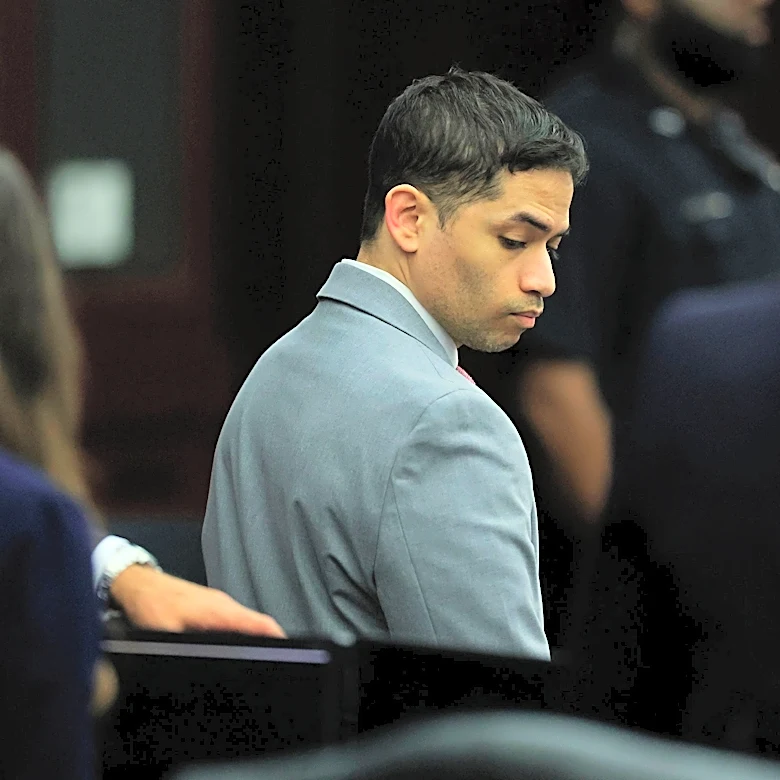
Michael Maldonado, 47, who has been incarcerated for 31 years for a crime committed at age 15, is seeking a commutation of his sentence from Wisconsin Governor Tony Evers. Maldonado is one of 12 applicants being considered by Governor Evers’ Commutation
Advisory Board. He was sentenced in June 1995 for first-degree intentional homicide in connection with the 1994 killing of Ruben Borchardt. While Maldonado initially claimed his role was procuring the weapon, other co-defendants testified he was the shooter. However, one of the co-defendants, Doug E. Vest Jr., later acknowledged via letter that he was, in fact, the shooter. This new evidence led to a sentence modification for Maldonado in October 2025, making him eligible for earlier parole. Maldonado's supporters, including the WISDOM Commutation Group, argue that he has served a disproportionately long sentence for a crime committed as a juvenile and has demonstrated significant rehabilitation during his incarceration. He has pursued education, worked responsibly, and volunteered, including building houses for Habitat for Humanity and training service dogs.
Why It's Important?
This case highlights critical issues within the U.S. criminal justice system, particularly concerning juvenile offenders and the concept of rehabilitation versus retribution. Maldonado's application for commutation brings to the forefront the debate over whether individuals who commit serious crimes as minors should be subject to the same lengthy sentences as adults, especially when new evidence emerges or significant personal growth occurs. The fact that his co-defendants received lighter sentences and were paroled, while Maldonado remains incarcerated, raises questions about fairness and proportionality in sentencing. The WISDOM Commutation Group's advocacy underscores a broader movement to re-evaluate sentences for juvenile offenders, recognizing that adolescent brains are still developing and that young people have a greater capacity for change. The decision by Governor Evers' board will not only impact Maldonado's life but could also set a precedent for how Wisconsin addresses similar cases of long-term incarceration for crimes committed in youth, influencing future clemency considerations and potentially contributing to criminal justice reform discussions nationwide.
What's Next?
Michael Maldonado's commutation application will be considered by Wisconsin Governor Tony Evers’ Commutation Advisory Board. This board will review his case, including the extensive documentation of his rehabilitation, educational achievements, volunteer work, and re-entry plan. The application also includes 23 letters of support from family, former correctional staff, and advocacy groups. While Maldonado had a parole hearing in March 2026, which resulted in an 18-month deferment, the commutation process offers a direct path to sentence reduction or modification by the governor. The board's recommendation will be crucial, but the final decision rests with Governor Evers. If commutation is granted, Maldonado would be released to community supervision, with a structured re-entry plan that includes housing and a job offer. If denied, he would continue to serve his sentence, with future parole hearings as his primary avenue for release. The outcome will be closely watched by criminal justice reform advocates and those interested in the treatment of juvenile offenders.
Beyond the Headlines
Beyond the immediate legal implications, Maldonado's case delves into the ethical and societal questions surrounding forgiveness, second chances, and the purpose of incarceration. The victim's family's perspective, as expressed during Maldonado's sentence modification hearing, highlights the enduring pain and the desire for accountability, even decades after the crime. This tension between the victim's need for justice and the offender's demonstrated rehabilitation is a central challenge in clemency decisions. The case also implicitly questions the reliability of initial testimonies in complex criminal cases, especially when involving minors, and the potential for wrongful or disproportionate sentencing. The support from former correctional officers and advocacy groups like WISDOM suggests a belief in Maldonado's genuine transformation and his potential to contribute positively to society. This narrative contributes to a larger national conversation about the effectiveness of long-term incarceration, the potential for restorative justice, and the evolving understanding of culpability and rehabilitation for crimes committed during adolescence.