






What's Happening?
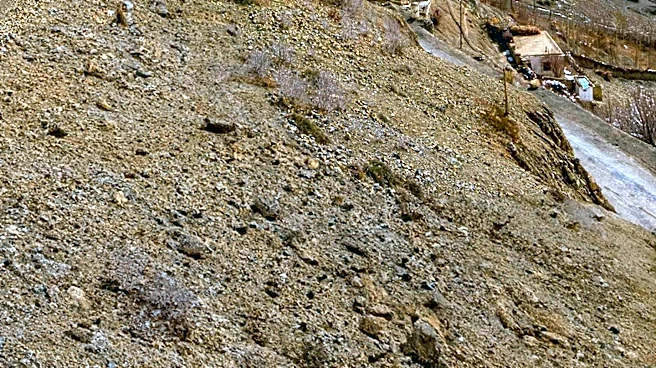
Hanle, a small village in the Himalayas, has become a major attraction for stargazers and astrophotographers due to its pristine night skies. Located at 4,500 meters above sea level, Hanle offers minimal light pollution, allowing for clear views of the Milky
Way. The village is home to the Hanle Dark Sky Reserve, India's first International Dark Sky Reserve, which spans 1,074 square kilometers and includes six villages, a monastery, and 10 stationary telescopes. The Indian Astronomical Observatory, one of the highest research facilities in the world, is also situated here. The reserve was established in December 2022, and since then, tourism has surged, with many visitors coming to experience the unique cosmic views. Local communities have embraced astrotourism, offering homestays and guided stargazing sessions that blend scientific knowledge with local folklore.
Why It's Important?
The development of Hanle as a stargazing destination highlights the growing interest in astrotourism and the importance of preserving natural night skies. This initiative not only boosts local tourism but also helps protect cultural and spiritual traditions tied to astronomy. The establishment of the Hanle Dark Sky Reserve demonstrates a successful collaboration between scientific institutions and local communities, promoting sustainable tourism that benefits both the environment and the economy. As light pollution becomes a global concern, Hanle serves as a model for other regions looking to balance tourism with environmental preservation.
What's Next?
With the increasing popularity of Hanle as a stargazing destination, local authorities and communities are likely to continue developing infrastructure to accommodate tourists while preserving the natural environment. The annual Star Party in September is expected to draw even more visitors, further boosting the local economy. Ongoing efforts to train local residents as 'astronomy ambassadors' will enhance the visitor experience and ensure that tourism remains sustainable and culturally respectful.
Beyond the Headlines
The success of Hanle's astrotourism model could inspire other regions to explore similar initiatives, particularly in areas with unique natural features. This approach not only supports local economies but also raises awareness about the importance of preserving natural environments. Additionally, the integration of scientific and cultural elements in tourism can foster a deeper appreciation for both modern science and traditional knowledge.