


What's Happening?
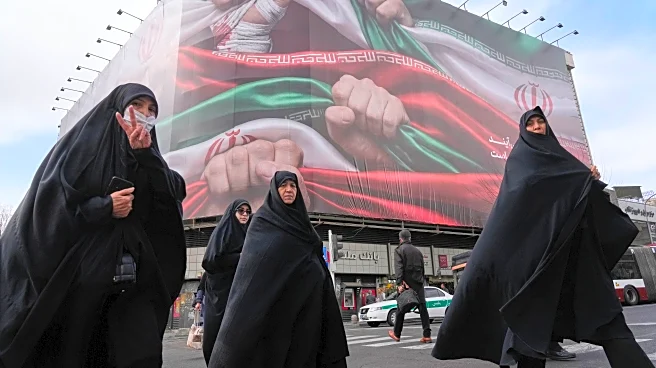
Recent protests in Iran, sparked by the death of Mahsa Amini while in custody of the Islamic Republic's 'morality police', have drawn international attention. The United States and Israel are navigating a complex situation where overt support could be
perceived as foreign interference, potentially allowing the Iranian regime to frame the protests as externally orchestrated. The protests represent a significant challenge to the Iranian government, with demonstrators calling for greater freedoms and an end to oppressive practices. The situation remains tense as both countries weigh their options in supporting the Iranian people's aspirations without exacerbating the regime's narrative of foreign meddling.
Why It's Important?
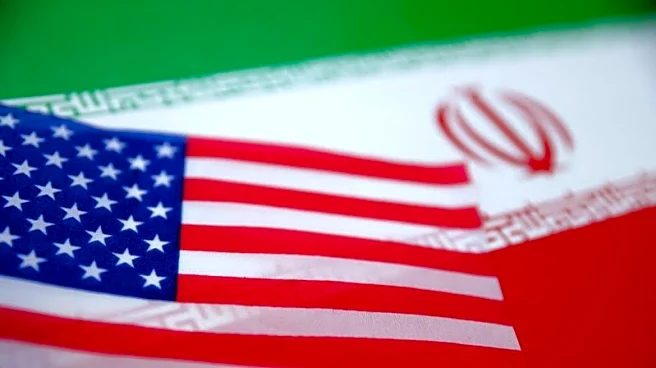
The protests in Iran are a critical moment for U.S. and Israeli foreign policy in the Middle East. Both nations have historically been at odds with the Iranian regime, and the current unrest presents an opportunity to support democratic movements. However, any visible intervention could backfire, strengthening the regime's position by portraying the protests as a Zionist plot. This delicate balance highlights the broader geopolitical stakes, as Iran's stability impacts regional security, energy markets, and international diplomatic relations. The outcome of these protests could influence future U.S. and Israeli strategies in the region.
What's Next?
The international community, including the U.S. and Israel, will likely continue to monitor the situation closely. Diplomatic efforts may focus on supporting human rights and amplifying the voices of Iranian protesters through international platforms. Meanwhile, the Iranian government may intensify its crackdown on dissent, potentially leading to further unrest. The response from global powers could shape the trajectory of Iran's domestic politics and its relations with the West.