
What's Happening?
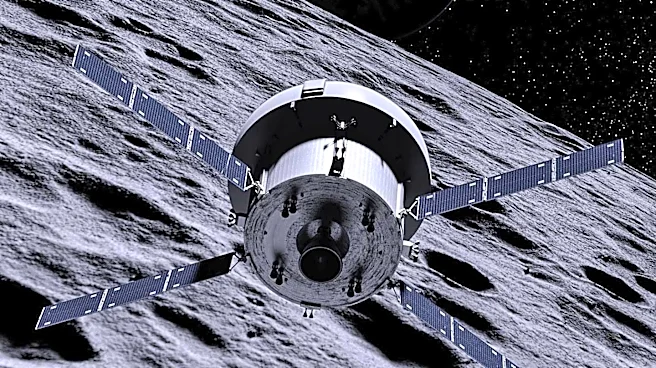
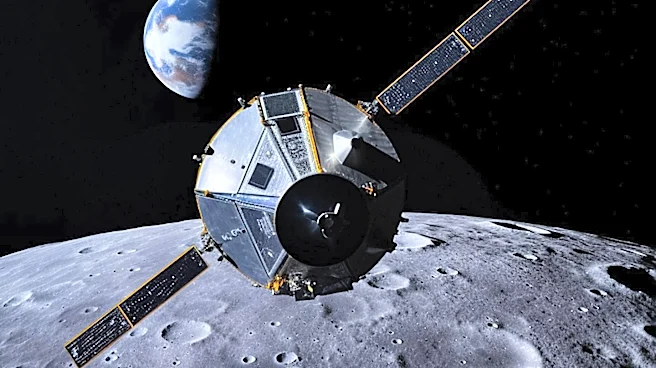
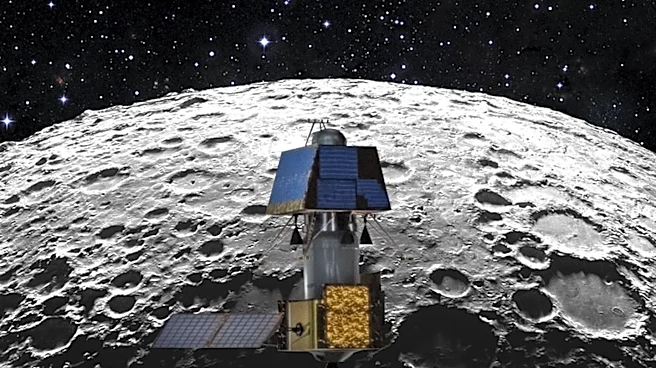
NASA, in collaboration with Advanced Space, has announced the CAPSTONE 02 mission, a follow-up to the original CAPSTONE project. Scheduled for launch in late 2027, this mission will involve two 400-kilogram
spacecraft built by Terran Orbital, operating in a highly elliptical lunar orbit. The primary objective of CAPSTONE 02 is to test rendezvous and proximity operations (RPO) in the lunar vicinity, particularly in orbits influenced by both Earth and Moon gravity. The mission will also focus on autonomous flight operations around the Moon and beyond, and measure the radiation environment in cislunar space. This initiative builds upon the 2022 CAPSTONE mission, which used a single cubesat to test operations in a near-rectilinear halo orbit (NRHO) around the Moon, providing data for NASA’s lunar Gateway plans. The critical design review for CAPSTONE 02 was completed earlier this month, and the mission is expected to cost NASA just under $100 million, excluding launch expenses.
Why It's Important?
The CAPSTONE 02 mission is crucial for advancing NASA's long-term lunar exploration goals, particularly the establishment of a lunar base and sustained human presence on the Moon. By demonstrating rendezvous and proximity operations in complex lunar orbits, the mission will provide vital data and refine techniques necessary for future crewed missions, such as Artemis 4 and 5. The ability to maneuver multiple spacecraft in close proximity around the Moon is essential for assembling infrastructure, transferring cargo, and ensuring the safety of astronauts. Furthermore, measuring the radiation environment in cislunar space will inform the design of protective measures for human crews, enabling longer durations of stay. This mission also highlights the growing collaboration between NASA and private industry partners like Advanced Space and Terran Orbital, fostering innovation and leveraging commercial capabilities to achieve ambitious space exploration objectives. The insights gained will directly support the development of a robust lunar ecosystem.
What's Next?
The CAPSTONE 02 mission is slated for launch in late 2027. Prior to launch, NASA and Advanced Space will continue to share lessons learned and technological advancements with other key programs, including the Orion and Human Landing System programs, and the broader Moon Base effort. The two spacecraft will embark on a low-energy ballistic lunar transfer trajectory, taking three to four months to reach lunar orbit, during which autonomous navigation technologies will be tested. Once in NRHO, the spacecraft will conduct RPO activities, providing a testbed for various analogous conditions for future operations. The mission is designed for a two-year prime operational period, with the possibility of extended missions, similar to the original CAPSTONE, which remains operational for testing purposes. NASA is also working on launch arrangements to combine CAPSTONE 02 with other lunar base-related missions.
Beyond the Headlines
The CAPSTONE 02 mission represents a significant step towards establishing a sustainable human presence beyond Earth orbit. The focus on autonomous operations and GPS-independent navigation in the lunar environment addresses a critical challenge for deep space missions, where traditional navigation systems are less effective. This technological advancement could pave the way for more complex and distributed science missions, as well as enhance the resilience of space operations against potential disruptions. The mission's emphasis on understanding the radiation environment underscores the ethical considerations of long-duration human spaceflight, prioritizing astronaut safety and health. Moreover, the collaboration with private companies like Advanced Space and Terran Orbital signifies a broader shift in space exploration, where public-private partnerships are increasingly vital for achieving ambitious goals, potentially leading to a more dynamic and cost-effective approach to space development.