





What's Happening?
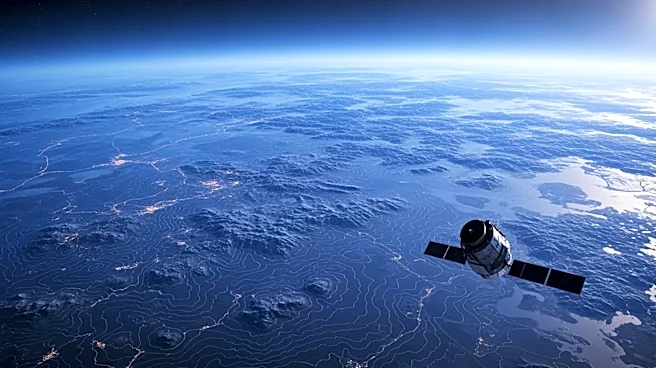
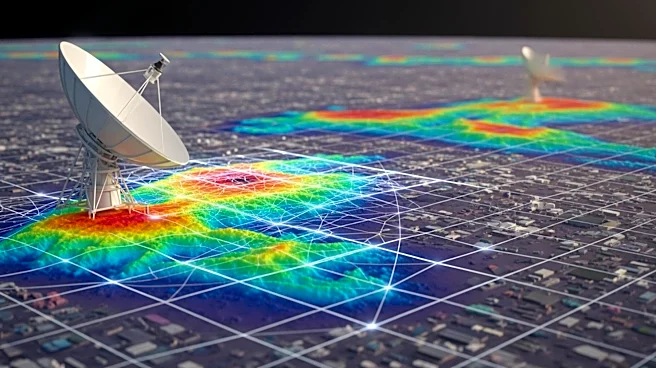
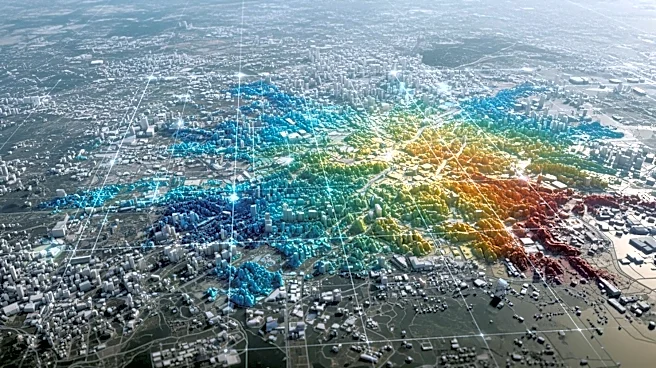
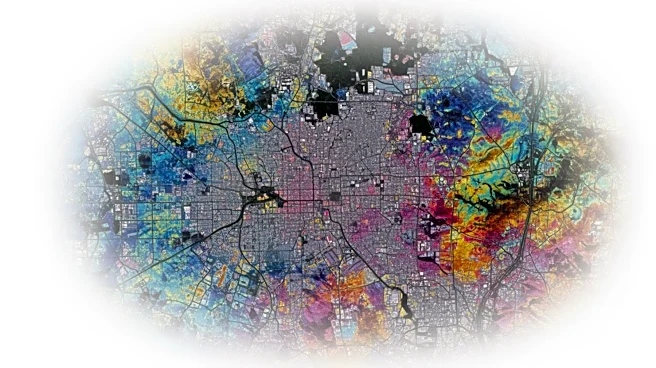
NASA, in collaboration with the Indian Space Research Organisation (ISRO), has revealed alarming data on the rapid subsidence of Mexico City. The NISAR (NASA-ISRO Synthetic Aperture Radar) satellite, launched in July 2025, has been monitoring the ground
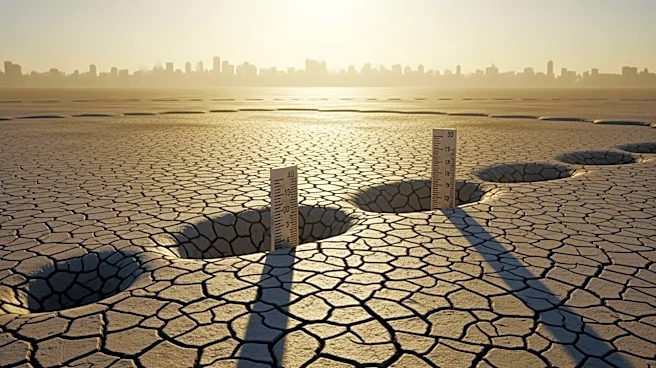
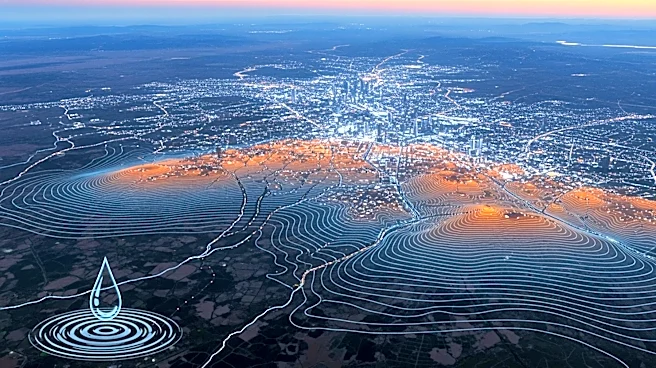
movement in Mexico City, a metropolis built on an aquifer. The city has been sinking due to extensive groundwater extraction and the weight of urban development compressing the ancient lakebed beneath it. Preliminary measurements from NISAR, taken between October 2025 and January 2026, indicate that parts of the city are subsiding by more than half an inch per month. This subsidence is causing significant damage to infrastructure, including roads and the Metro rail system.
Why It's Important?
The rapid sinking of Mexico City poses severe challenges to its infrastructure and urban planning. As the city continues to sink, the cost of maintaining and repairing infrastructure such as roads and public transportation systems is expected to rise significantly. This situation highlights the broader issue of urban areas built on aquifers, which face similar risks due to groundwater extraction. The findings from the NISAR mission underscore the need for sustainable water management practices and urban planning strategies that can mitigate the effects of subsidence. The data provided by the satellite can help policymakers and urban planners develop more effective solutions to address these challenges.
What's Next?
The continued monitoring of Mexico City's subsidence by the NISAR satellite will provide valuable data for future urban planning and infrastructure development. Policymakers may need to consider implementing stricter regulations on groundwater extraction and explore alternative water sources to prevent further subsidence. Additionally, there may be increased investment in infrastructure reinforcement and repair to address the damage caused by the sinking. The collaboration between NASA and ISRO could also lead to similar studies in other regions facing subsidence issues, providing a broader understanding of the global impact of groundwater extraction on urban areas.