




What's Happening?
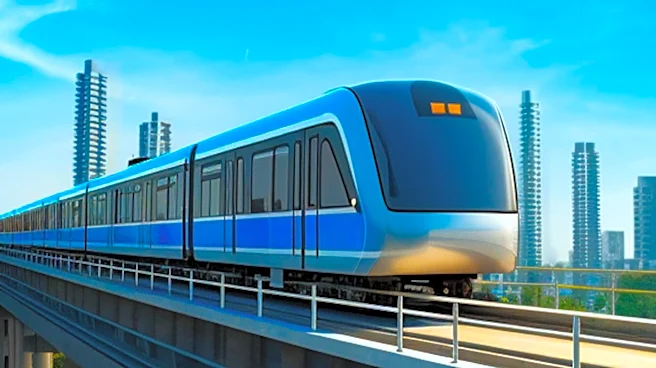
Montgomery County’s Department of Transportation (MCDOT) is advancing plans for a Bus Rapid Transit (BRT) service along MD Route 355, aiming to connect Rockville to Germantown. The project, known as MD 355 Flash BRT, seeks to provide a faster and more
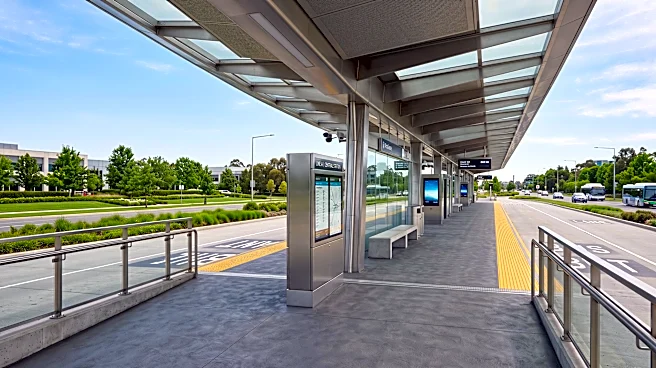
efficient transit option along the busy corridor, which includes Wisconsin Avenue, Rockville Pike, and Frederick Road. The design for the central portion of the line, spanning from the Rockville Metrorail Station to Germantown, is now complete. MCDOT is hosting three public meetings in November to share details and gather feedback on the final design of this central segment. These meetings will cover aspects such as dedicated bus lanes, signal priority at intersections, and infrastructure for pedestrian and bicycle connections to modern stations. The northern and southern sections of the BRT project are still in the planning stages, contingent on securing future funding. This initiative is part of a broader vision for a countywide BRT network, first outlined in the 2013 Countywide Transit Corridors Functional Master Plan.
Why It's Important?
The MD 355 Flash BRT project is significant for Montgomery County as it aims to alleviate traffic congestion and provide a competitive alternative to private vehicle use in a heavily trafficked corridor. By offering frequent service, dedicated lanes, and signal priority, the BRT system is designed to enhance mobility and reduce commute times for thousands of residents. This improved transit access is expected to support economic growth and redevelopment in key activity centers along the route, including downtown Bethesda, North Bethesda, Rockville, Gaithersburg, Germantown, and Clarksburg. The project also promotes sustainable transportation by encouraging a shift away from single-occupancy vehicles, potentially reducing carbon emissions and improving air quality. For commuters, it offers a more reliable and predictable travel option, while businesses in the corridor could benefit from increased accessibility for customers and employees. The public input phase is crucial for ensuring the project meets community needs and gains local support, which is vital for its successful implementation and long-term impact.
What's Next?
Following the public meetings in November, MCDOT will continue to collect feedback on the MD 355 Flash BRT project until December 11. This input will be crucial in refining the final design of the central portion of the route. Once the design is finalized, the project will move towards securing necessary permits and initiating construction for the central segment. Concurrently, MCDOT will focus on securing funding for the northern and southern segments of the BRT line, which are not yet under design. Future steps will involve detailed planning and community engagement for these additional phases. The county will also monitor the progress of other BRT routes, such as the one along Veirs Mill Road, which is currently under construction and expected to open in late 2028. The successful implementation of the MD 355 Flash BRT will depend on continued public engagement, effective project management, and consistent funding to complete the entire corridor and integrate it into the broader county transit network.
Beyond the Headlines
The MD 355 Flash BRT project represents a broader shift in urban planning towards transit-oriented development and sustainable infrastructure. Beyond simply improving transportation, this initiative could reshape urban landscapes along the MD 355 corridor, fostering denser, mixed-use developments around BRT stations. This approach aims to create more walkable communities, reduce reliance on cars, and enhance the overall quality of life for residents. However, such large-scale infrastructure projects often bring challenges, including potential displacement of existing businesses or residents, and concerns about gentrification in areas experiencing redevelopment. The project also highlights the ongoing debate about public funding for transit versus road infrastructure, and the balance between individual vehicle use and collective public transport. The success of this BRT system could serve as a model for other suburban areas grappling with similar issues of congestion and sustainable growth, demonstrating how strategic transit investments can drive both economic development and environmental benefits.