









What's Happening?
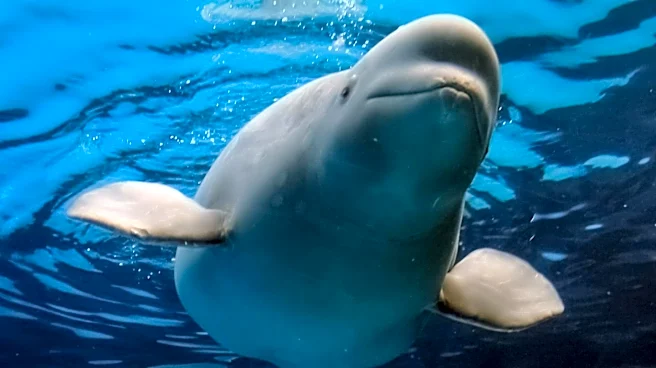
Two beluga whales and four dolphins from the now-closed Marineland amusement park in Canada have been successfully relocated to a new home in Valencia, Spain. This rescue operation followed threats from the bankrupt park's operators to euthanize the animals
if no government support was provided. The transfer involved months of preparation by veterinarians and animal caretakers, culminating in a seven-hour flight to Spain. Upon arrival, the animals were reported to be in good condition, though they will remain under observation for several days due to the stress of the long journey. Other beluga whales from Marineland have also been rescued and moved to four aquariums in the United States. Releasing these animals into the wild is not considered a viable option, as their long-term captivity would likely prevent them from surviving independently in their natural habitat.
Why It's Important?
This event highlights the critical issues surrounding animal welfare in entertainment facilities and the ethical responsibilities associated with the care of captive marine mammals. The threat of euthanasia underscores the severe consequences that financial instability can have on animal populations in private zoos and parks. The successful relocation of these beluga whales and dolphins to new, presumably more stable, environments offers a positive outcome for the individual animals and sets a precedent for intervention in similar situations. The decision not to release them into the wild also brings attention to the irreversible impacts of prolonged captivity on wild animals, emphasizing the complex challenges involved in their rehabilitation and reintroduction. This situation could influence future regulations and oversight for animal parks, particularly concerning contingency plans for animal care during financial distress or closure.
What's Next?
The relocated beluga whales and dolphins will undergo a period of adjustment and observation in their new homes in Valencia, Spain, and the United States aquariums. Veterinarians and animal care specialists will monitor their health and behavior to ensure a smooth transition and adaptation to their new environments. This process will likely involve specialized care to mitigate any lingering stress from the journey and to help them acclimate to new social groups and habitats. For the broader animal welfare community, this event may prompt further discussions and advocacy for stricter regulations on animal parks, including requirements for robust contingency plans for animal care. It could also encourage more public and governmental scrutiny of facilities that house marine mammals, potentially leading to policy changes regarding their breeding, exhibition, and long-term welfare.
Beyond the Headlines
The rescue of these marine mammals from Marineland delves into the deeper ethical debate surrounding the captivity of intelligent and social animals like beluga whales and dolphins. The inability to release them back into the wild after years in captivity raises questions about the long-term implications of human intervention in animal lives and the concept of 'rescue' when a return to natural habitat is impossible. This situation also touches upon the economic vulnerabilities of animal parks and the potential for animals to become collateral in financial crises. It highlights the ongoing tension between conservation efforts, public entertainment, and animal rights, prompting reflection on whether such facilities can truly provide adequate welfare for these complex creatures. The story serves as a poignant reminder of the profound responsibility humans bear when housing wild animals and the need for sustainable, ethical models of animal care.