






What's Happening?
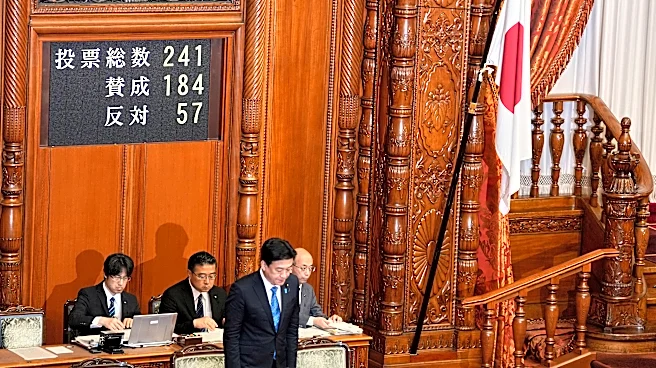
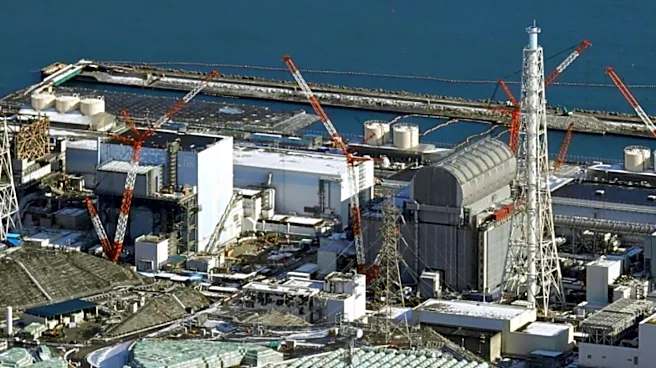
The Trump administration's plan to revive nuclear power through a partnership with Japan has stalled, with no Japanese investment committed to building new reactors. Announced eight months ago, the plan involved Japan funding the construction of Westinghouse
AP1000 reactors. However, no orders have been placed, and industry executives express skepticism about the administration's ability to secure binding agreements. Energy Secretary Chris Wright highlighted the growing power demand from tech companies as a potential driver for nuclear projects, but the lack of concrete progress raises concerns about the feasibility of the administration's nuclear ambitions.
Why It's Important?
Reviving the U.S. nuclear industry is seen as crucial for meeting rising energy demands and maintaining competitiveness against countries like China. The administration's efforts to deregulate nuclear safety and promote new technologies aim to stimulate the industry, but the absence of firm commitments from international partners like Japan poses significant challenges. The situation underscores the complexities of financing large-scale nuclear projects and the need for substantial government support to attract foreign investment. The outcome of these efforts could have long-term implications for U.S. energy policy and global nuclear power dynamics.
What's Next?
The administration may need to increase subsidies and incentives to attract foreign investment and ensure the viability of its nuclear power plans. Continued negotiations with Japan and other potential partners will be critical, as will addressing the economic and regulatory hurdles facing the nuclear industry. The administration's ability to deliver on its nuclear promises will likely influence future energy policy and international collaborations. Stakeholders will be closely monitoring developments to assess the potential for a nuclear renaissance in the U.S.