





What's Happening?
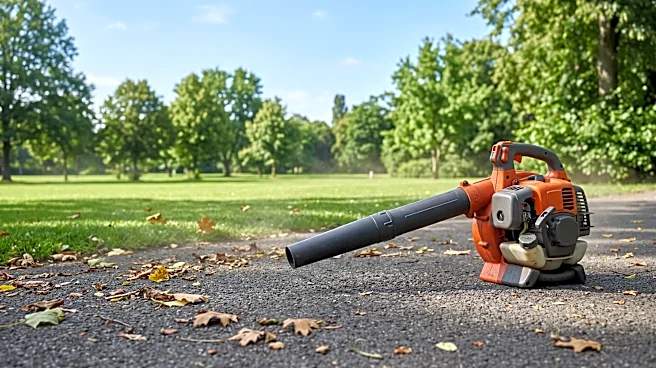
A Fort Collins resident, Peter Schultz, has voiced concerns regarding the use of mechanical blowers by city crews in City Park while the park is occupied by the public. Schultz, who regularly visits the park, observed city employees using blowers near
park visitors, creating large dust clouds. He recounted an instance where a friend was directly exposed to a dust cloud and mentioned his own breathing issues, which sometimes necessitate covering his face when blowers are in use. While Schultz is not against routine maintenance or the use of blowers in general, his primary concern is their operation during busy periods. He contacted the city about these issues and was informed that such incidents would not recur, but he later witnessed similar situations. The City of Fort Collins Parks & Recreation Department acknowledges having guidelines, specifically Section 3.12 of its Dust Prevention and Control Manual, which addresses the use of mechanical blowers around the public. The city has stated it is reinforcing training for its Parks staff on proper timing and procedures for using this equipment.
Why It's Important?
This situation highlights a common challenge faced by urban park management: balancing necessary maintenance with public enjoyment and health. The concerns raised by Peter Schultz underscore the potential health impacts of dust exposure, particularly for individuals with respiratory conditions like asthma, and the general discomfort it can cause for park users. The city's response, acknowledging existing guidelines and reinforcing staff training, indicates a recognition of the issue's importance. Effective implementation of these guidelines is crucial for maintaining public trust and ensuring that public spaces remain accessible and pleasant for all. Failure to address these concerns could lead to decreased park usage, public dissatisfaction, and potential health complaints, impacting the community's quality of life and the city's reputation for park management. This also brings to light the broader discussion of environmental regulations, such as fugitive dust ordinances, and their practical application in public spaces.
What's Next?
The City of Fort Collins Parks & Recreation Department is reinforcing training with its staff regarding the proper timing and procedures for using mechanical blowers. This training will emphasize finding times when fewer people are present in the parks and adhering to the city's noise ordinance, which dictates when blowers can be used earlier in the day. The city has apologized for the incidents described by Schultz and has communicated his concerns to the Parks & Recreation management team, who in turn have reiterated best practices to staff. Schultz hopes these efforts will lead to a reduction in dust clouds around park users. The effectiveness of this reinforced training and adherence to guidelines will be observed by park users, and their feedback will likely determine if further adjustments are needed to ensure a peaceful coexistence between park maintenance and public enjoyment.
Beyond the Headlines
The issue of mechanical blower use in public parks extends beyond mere inconvenience, touching upon environmental health, urban planning, and community engagement. The 'fugitive dust ordinance' mentioned by Schultz points to a broader regulatory framework designed to control airborne particulate matter, which can have significant health implications. This incident could prompt a re-evaluation of current park maintenance practices, potentially leading to the adoption of alternative, less disruptive methods or stricter enforcement of existing rules. It also highlights the power of individual citizen advocacy in prompting municipal action and fostering a dialogue between residents and local government. The balance between efficiency in park maintenance and the well-being of park users is a recurring theme in urban management, and this situation in Fort Collins serves as a micro-example of how cities navigate these competing interests, potentially influencing policy changes in other municipalities facing similar challenges.