





What's Happening?
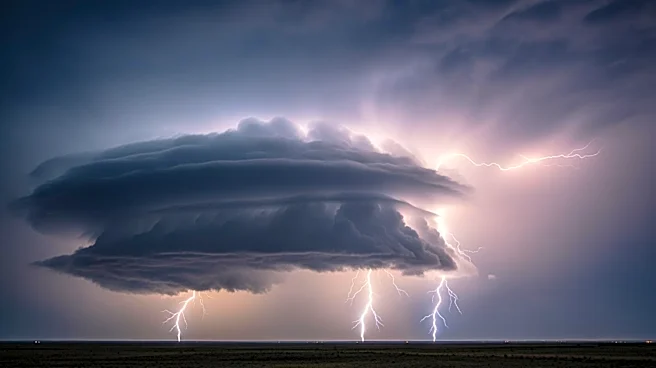
Severe weather conditions have put tens of millions of people across the United States on high alert. The storms, which are affecting areas from Indiana to New England, have already caused significant disruptions. In West Virginia, heavy rain and strong
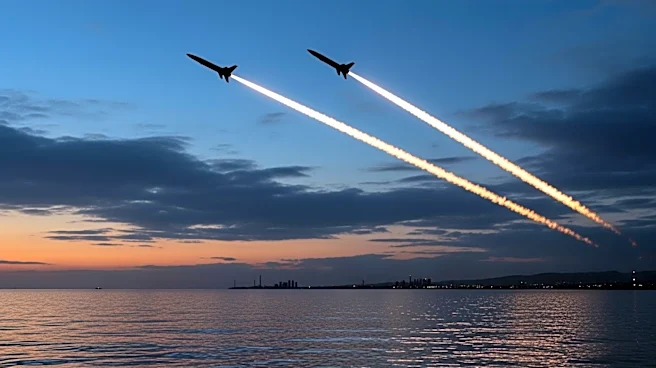
winds led to the collapse of a tent at a college baseball game. Additionally, in Texas, flash flooding has necessitated the rescue and evacuation of at least nine individuals. This weather event coincides with escalating tensions in the Middle East, as Iran has launched new attacks on U.S. allies, further complicating the geopolitical landscape.
Why It's Important?
The severe weather poses immediate risks to public safety and infrastructure, potentially leading to property damage and disruptions in daily life. The simultaneous geopolitical tensions with Iran could strain U.S. resources and attention, as the government may need to address both domestic emergencies and international conflicts. The situation underscores the vulnerability of infrastructure to natural disasters and the importance of emergency preparedness. Additionally, the geopolitical developments could impact U.S. foreign policy and military strategy, affecting international relations and security.
What's Next?
Authorities are likely to continue monitoring the weather closely, issuing further warnings and coordinating emergency responses as needed. In the geopolitical arena, the U.S. may need to engage in diplomatic or military actions to address the situation with Iran, potentially involving allies and international organizations. The dual challenges of severe weather and international tensions may prompt discussions on resource allocation and strategic priorities within the government.