



What's Happening?
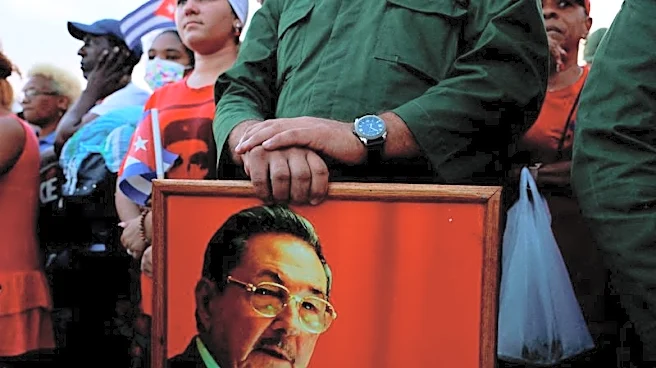
The Trump administration has imposed new sanctions on Cuba, targeting top leaders and their families, as well as several Cuban entities. The sanctions are part of a strategy to pressure the Cuban government into negotiations, despite the island's ongoing
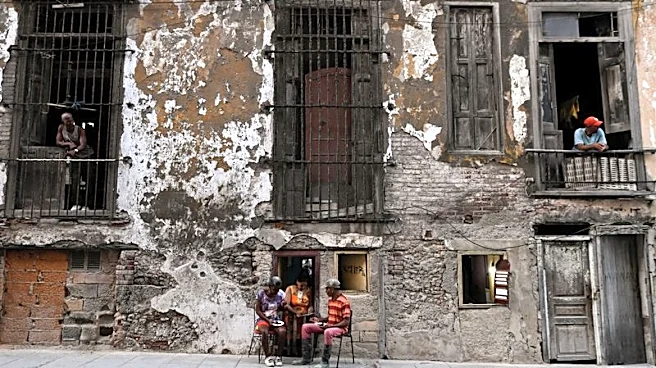
economic hardships. President Trump stated that the sanctions are not intended to cause Cuba's collapse but to encourage better governance. The move comes amid widespread power outages and shortages of basic goods in Cuba, reflecting growing frustration in Washington over stalled diplomatic efforts.
Why It's Important?
These sanctions could further strain U.S.-Cuba relations and impact the Cuban economy, which is already facing significant challenges. While the U.S. aims to force concessions from the Cuban government, the sanctions may also worsen the humanitarian situation on the island. The decision underscores the complexities of U.S. foreign policy towards Cuba and the potential for unintended consequences. The sanctions could also influence U.S. domestic politics, particularly among Cuban-American communities and policymakers advocating for different approaches to Cuba.
What's Next?
Cuban officials have condemned the sanctions, and the government may seek to strengthen ties with other international allies to mitigate the impact. The U.S. may continue to apply pressure through additional measures if the Cuban government does not respond as desired. The situation could lead to further diplomatic efforts or discussions about the future of U.S.-Cuba relations. Observers will be watching for any changes in Cuba's domestic policies or international alliances as a result of the increased pressure.