





What's Happening?
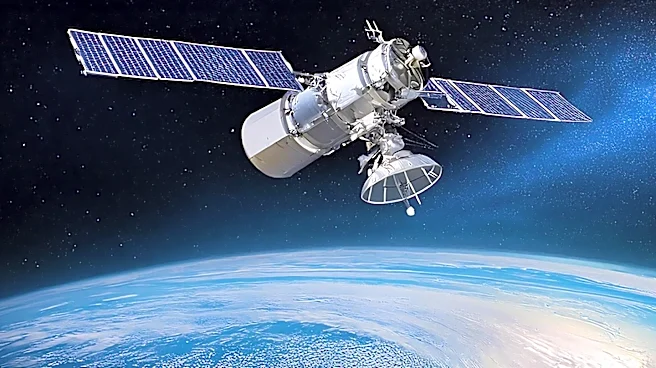
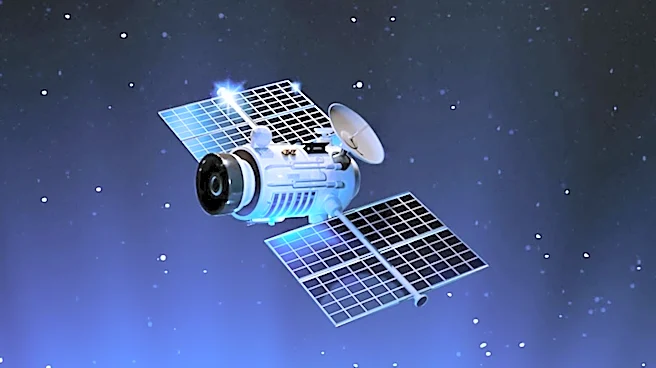
Kongsberg NanoAvionics has introduced a 500-kilogram version of its MP42D satellite bus, significantly increasing its maximum mass capacity. This new bus is designed to support more demanding defense and intelligence missions, capable of carrying payloads
up to 250 kilograms. The announcement, made on August 24, also includes upgrades to its smaller MP42 and MP42H platforms as part of a second-generation product line. The standard MP42 has seen its maximum spacecraft mass increase from 150 to 200 kilograms, with payload capacity rising to 100 kilograms. Across the Gen-2 family, improvements include a more than threefold increase in downlink data rates, enhanced pointing accuracy, and improved radiation tolerance and navigation-jamming resistance. The Lithuania-based manufacturer has already built or delivered five satellites based on the Gen-2 MP42 family for clients such as Spanish Earth observation specialist Satlantis, U.K.-based SuperSharp, and an undisclosed Southeast Asian operator, representing over 10 million euros in contracted value.
Why It's Important?
This development by Kongsberg NanoAvionics is significant for the U.S. and its allies, particularly in the defense and intelligence sectors. The increased capacity and enhanced capabilities of the Gen-2 satellite buses allow for more sophisticated and robust payloads, which are crucial for advanced surveillance, communication, and data collection in space. The improved radiation tolerance and navigation-jamming resistance address critical vulnerabilities in modern satellite operations, making these platforms more resilient in contested environments. The involvement of undisclosed government and defense customers from NATO members and allied countries underscores the strategic importance of these advancements for national security. By offering reduced overall cost, shorter lead times, and increased lifespan, these satellites can provide more sustained and cost-effective support for critical missions, potentially influencing future procurement strategies for small satellite constellations in the U.S. and its partners.
What's Next?
Launches for the first five Gen-2 MP42 family satellites are slated to begin this fall, which will provide initial operational data and validate the new capabilities. Kongsberg NanoAvionics expects the Gen-2 MP42D to become a dominant part of its proposal pipeline, indicating a potential increase in orders from various customers, including government and defense entities. The company's Norwegian parent company Kongsberg, Spanish very low Earth orbit specialist Kreios Space, and other undisclosed government and defense customers have already placed orders for more Gen-2 platforms. The Gen-2 buses are designed for a seven-year operational lifespan at an altitude of 750 kilometers, an increase from the previous five years at 600 kilometers. This extended operational period suggests a longer-term impact on space-based capabilities and a potential shift towards more durable and efficient small satellite solutions.
Beyond the Headlines
The introduction of more capable and resilient small satellite buses like the Gen-2 MP42 family reflects a broader trend in space technology towards distributed and adaptable architectures. This shift moves away from reliance on a few large, expensive satellites to constellations of smaller, more numerous, and often more specialized satellites. For the U.S., this could mean enhanced redundancy and resilience in space-based assets, making them less vulnerable to single points of failure or targeted attacks. The focus on improved radiation tolerance and navigation-jamming resistance highlights the increasing militarization of space and the need for robust systems that can operate effectively in challenging conditions. This evolution in satellite technology also has implications for commercial applications, as the cost-effectiveness and extended lifespan could make advanced space services more accessible to a wider range of users, fostering innovation in areas like Earth observation and global connectivity.