









What's Happening?
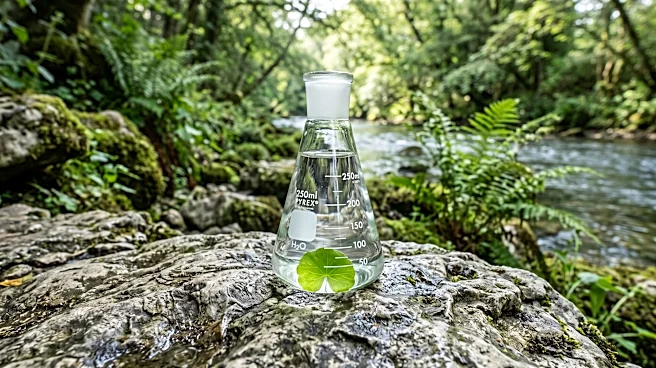
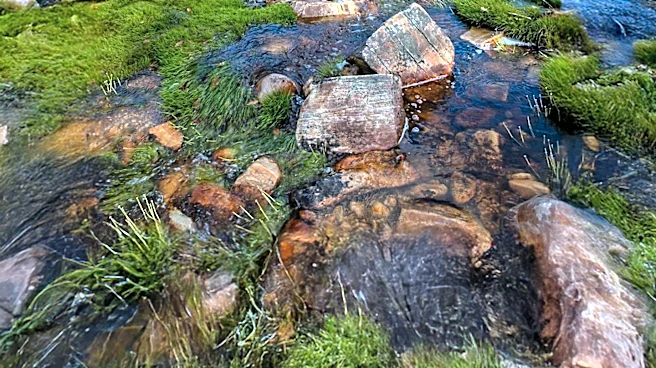
Northumberland National Park in the UK has been identified as home to the cleanest rivers among all national parks in England and Wales. Recent studies indicate that over 60% of the park's rivers are rated 'high' or 'good' for water cleanliness. This
surpasses the water quality found in more widely recognized parks like the Lake District and Yorkshire Dales. The park, which spans 410 square miles in Northern England, is actively engaged in restoration projects aimed at further improving these ratings. Its pristine waterways support a rich diversity of fish and native wildlife, including the rare European otter, which is less commonly seen in more developed regions of the country. The park's landscape features rugged hills, valleys, ancient rock formations, and various ecosystems.
Why It's Important?
The exceptional cleanliness of Northumberland National Park's rivers highlights a significant success in environmental conservation within the UK. This achievement is crucial for maintaining biodiversity, particularly for species like the European otter, which thrive in unpolluted aquatic environments. The park's status as a leader in water quality sets a benchmark for other national parks and conservation efforts across the country. For the tourism sector, this distinction could attract visitors interested in eco-tourism and outdoor activities, potentially boosting local economies. Furthermore, the ongoing restoration projects demonstrate a commitment to sustainable environmental practices, offering valuable insights and models for broader ecological preservation initiatives.
What's Next?
Ongoing restoration projects within Northumberland National Park are expected to further enhance the water quality of its rivers, potentially leading to even higher cleanliness ratings in the future. These efforts will likely continue to support and expand the park's diverse wildlife populations. The park's success could also inspire increased funding and attention for similar conservation initiatives in other UK national parks. Visitors can continue to explore the park's pristine rivers and landscapes through various walking trails, including sections of the Pennine Way and historical routes like Hadrian's Wall Path, which offer opportunities to experience the natural beauty and archaeological sites of the region.
Beyond the Headlines
The superior water quality in Northumberland National Park reflects a deeper commitment to preserving natural ecosystems in an increasingly industrialized world. This success underscores the importance of protected areas in safeguarding critical natural resources and biodiversity. Beyond the ecological benefits, the clean rivers contribute to the cultural and historical significance of the region, flowing through landscapes that have been shaped by ancient trade routes and Roman history. The park's ability to maintain such high standards of cleanliness, despite its size and diverse terrain, offers a compelling case study for balancing human activity with environmental stewardship, emphasizing the long-term benefits of proactive conservation strategies.