






What's Happening?
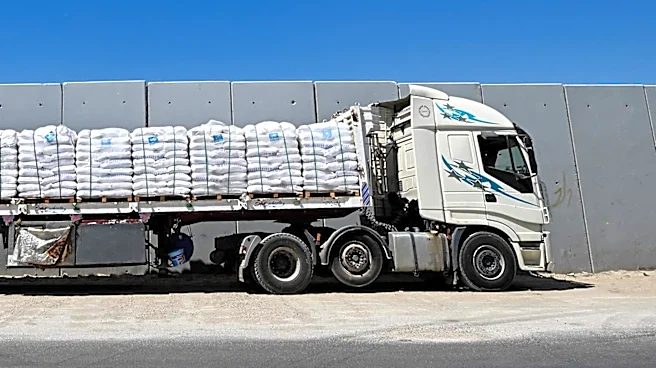
The Food and Agriculture Organization (FAO), UNICEF, and the World Food Programme (WFP) have issued a warning about the fragile state of food security in Gaza. Despite some improvements due to expanded humanitarian aid and commercial activity following
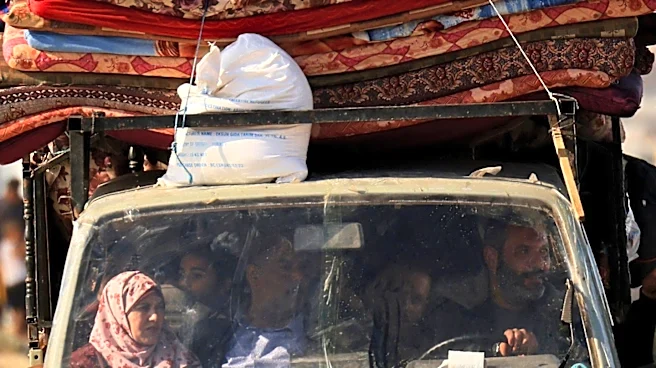
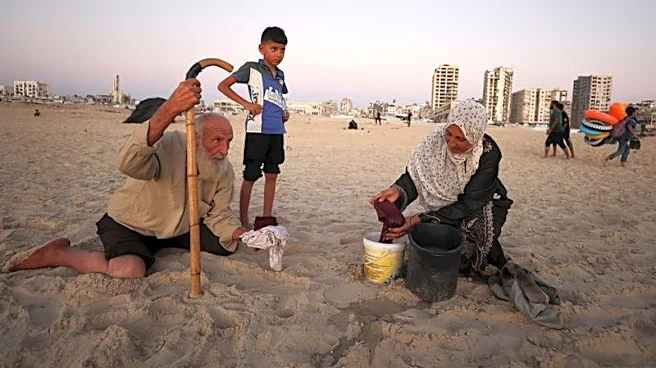
a ceasefire, 1.4 million people, or 67% of the population, remain in crisis or worse levels of acute food insecurity. The agencies highlight that the situation remains precarious, with food rations insufficient in quantity and quality, and commercial imports inconsistent. The ongoing conflict and restrictions on access to essential goods continue to hinder recovery efforts.
Why It's Important?
The warning underscores the critical need for sustained humanitarian assistance and funding to prevent a reversal of recent gains in food security. The fragile situation in Gaza poses a significant risk to the health and well-being of its population, particularly vulnerable groups such as children and pregnant women. The potential for a humanitarian crisis looms large if the international community does not respond with increased support. The ongoing conflict and access restrictions further complicate efforts to stabilize the region and improve living conditions.
What's Next?
The UN agencies are calling for immediate international support to scale up humanitarian efforts in Gaza. Without additional resources, the progress made in improving food security could be quickly undone. The agencies emphasize the need for sustained aid and the lifting of restrictions on agricultural inputs and humanitarian supplies to enable local food production and economic recovery. The international community's response will be critical in determining the future of Gaza's food security and overall stability.