






What's Happening?
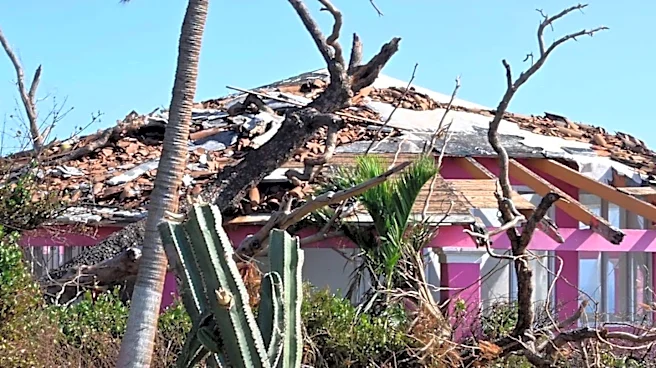
Cyclone Harry, which caused over €1 billion in damage along Sicily's coast, has highlighted significant gaps in Italy's mandatory insurance policy for natural disasters. Many businesses discovered that their insurance policies did not cover the specific
risks posed by the cyclone, such as storm surges, despite being insured for other natural disasters like earthquakes and floods. This has left numerous businesses, particularly small and medium-sized enterprises, without adequate compensation for their losses. The Italian government had introduced a law requiring businesses to insure their assets, but the cyclone's impact has revealed that the coverage is insufficient for certain types of natural disasters.
Why It's Important?
The situation underscores the challenges of implementing effective disaster insurance policies in the face of increasingly severe weather events, likely exacerbated by climate change. The inadequacy of current insurance coverage could undermine trust in such policies, potentially leading to reduced uptake and higher premiums. This is particularly concerning as the European Union pushes for businesses and insurers to bear more of the financial burden of climate-related losses. The financial fallout from Cyclone Harry also poses a risk to Italy's economy, as businesses may struggle to recover without sufficient insurance payouts, potentially affecting employment and economic stability in the region.
What's Next?
The aftermath of Cyclone Harry may prompt a reevaluation of Italy's mandatory insurance policies, with potential adjustments to ensure more comprehensive coverage for all types of natural disasters. Insurers might also consider revising their risk assessments and premium structures to better align with the actual risks faced by businesses. Additionally, there could be increased pressure on the Italian government to provide more substantial disaster relief and support to affected businesses. The situation may also influence broader EU discussions on disaster insurance and climate change adaptation strategies.
Beyond the Headlines
The insurance gap highlighted by Cyclone Harry raises broader questions about the role of government versus private insurers in managing disaster risk. The reliance on government aid in the absence of adequate insurance coverage could strain public finances, especially in countries with high public debt like Italy. Furthermore, the potential for 'insurance deserts' in high-risk areas could lead to economic disparities, as businesses in these regions may find it increasingly difficult to secure affordable insurance, impacting their ability to operate and grow.