





What's Happening?
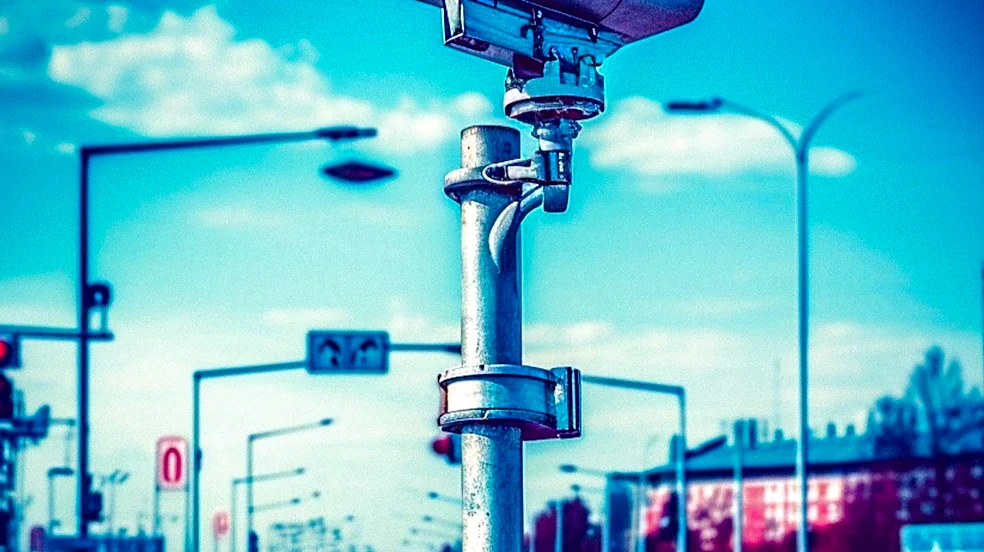
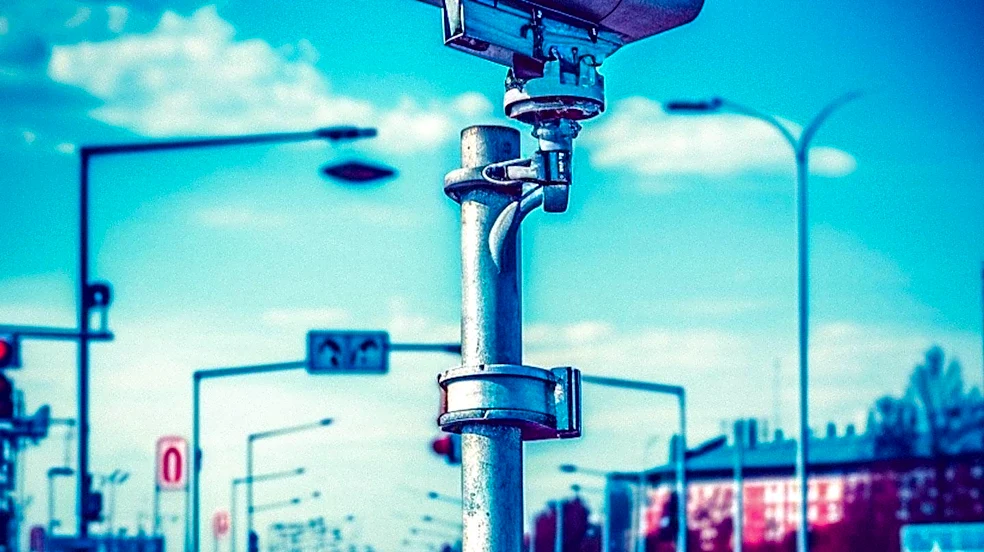
Gurugram is set to significantly expand its traffic monitoring network with the addition of 1,000 new cameras integrated with radar systems. This initiative, led by Maruti Suzuki as part of its corporate social responsibility, will cover approximately
70 junctions across nine road stretches spanning 65 km. This expansion represents the second phase of a project, with the first phase already having installed 400 cameras and radars at 23 junctions. The combined deployment after this expansion will total 1,400 cameras across 93 junctions and 13 road stretches. The project, funded by Maruti Suzuki's approximately ₹75 crore CSR allocation, involves implementation partners Gurugram Metropolitan Development Authority and Gurugram Police. The system is designed to detect various violations, including red-light and speed infractions, helmet use, and wrong-side driving, utilizing automatic number-plate recognition to send data to an Integrated Command and Control Centre.
Why It's Important?
This substantial investment in traffic surveillance technology is crucial for enhancing road safety and enforcing traffic laws in Gurugram. The increased number of cameras and radar systems will provide more comprehensive coverage, allowing for better detection of violations and more efficient traffic management. This initiative is expected to reduce accidents and improve traffic flow by deterring common infractions such as speeding, red-light jumping, and riding without helmets. For residents and commuters, this means a potentially safer and more orderly urban environment, though it also implies stricter enforcement and a higher likelihood of being penalized for violations. The integration with an Integrated Command and Control Centre signifies a move towards smart city infrastructure, leveraging technology for urban governance and public safety.
What's Next?
The second phase of camera installation is planned, with no specific commissioning calendar or operational date yet announced for the entire phase. However, the system, once fully operational, will continue to detect and record various traffic violations, sending information to the Integrated Command and Control Centre. The Gurugram Traffic Police will likely continue to issue challans based on both electronic detection and roadside personnel. The Union road transport ministry's August 2021 rules for electronic enforcement, which require footage stamped with location, date, and time, and clear photographic evidence for challans, will guide the operation of these new cameras. This expansion is expected to lead to a sustained increase in traffic enforcement activities and potentially a reduction in traffic violations over time.
Beyond the Headlines
The deployment of advanced traffic monitoring systems raises important considerations beyond immediate enforcement. The extensive surveillance network could lead to discussions about privacy and data security, as vast amounts of vehicle and driver data will be collected and processed. The reliance on technology for enforcement also highlights the potential for reducing human error and bias in traffic policing, but also the need for robust system accuracy and accountability. Furthermore, the project's funding through corporate social responsibility by Maruti Suzuki sets a precedent for private sector involvement in public infrastructure and safety initiatives. This model could influence how other cities and corporations approach similar challenges, fostering public-private partnerships for urban development and safety enhancements.