









What's Happening?
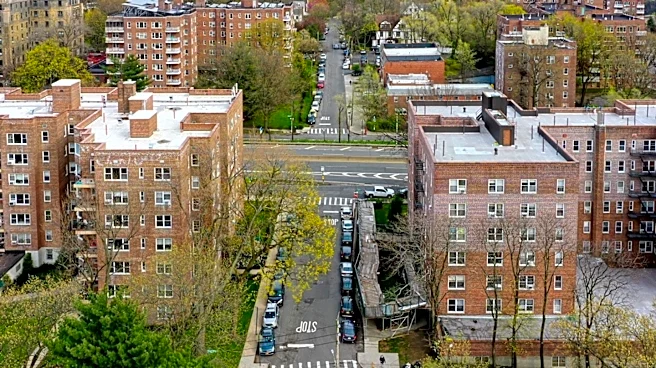
In New York City, a 67-year-old retiree named Kyle has found stability in affordable housing at Linden Grove, a development in Bushwick, Brooklyn. Kyle pays $400 a month for rent and utilities, significantly lower than the neighborhood's average. Linden Grove, which
opened in 2025, offers 153 units for low-income seniors, providing community activities and benefits support. The development is a collaboration between developers and the nonprofit Jewish Association Serving the Aging, utilizing city construction incentives. Despite the affordable housing, many NYC seniors remain rent-burdened, with some working into their 80s to make ends meet.
Why It's Important?
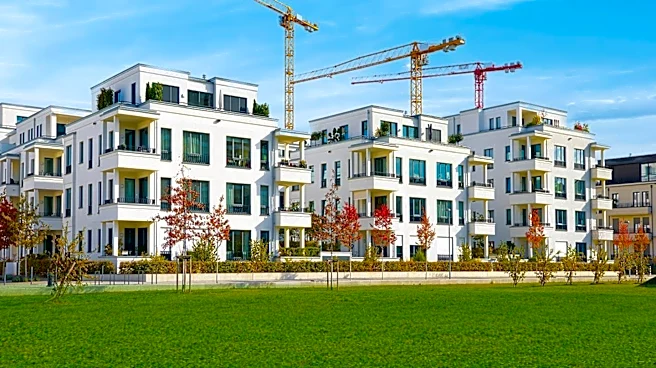
The story highlights the critical issue of affordable housing for seniors in major U.S. cities, where high living costs often force older adults to compromise on their living conditions. Developments like Linden Grove offer a model for sustainable, affordable housing solutions, but the demand far exceeds supply. This situation underscores the need for increased investment in affordable housing initiatives to support the aging population, who face financial instability and limited housing options. The broader implications affect public policy and urban planning, as cities must address the growing need for affordable senior housing.
What's Next?
The future of affordable housing in NYC depends on continued support from developers and policymakers. Mayor Zohran Mamdani's housing plan aims to preserve and expand affordable housing options, but funding and resources remain challenges. As the demand for affordable housing grows, cities like NYC must explore innovative solutions to meet the needs of their aging populations. The success of developments like Linden Grove could inspire similar projects nationwide, potentially influencing housing policies and funding allocations.