



What's Happening?
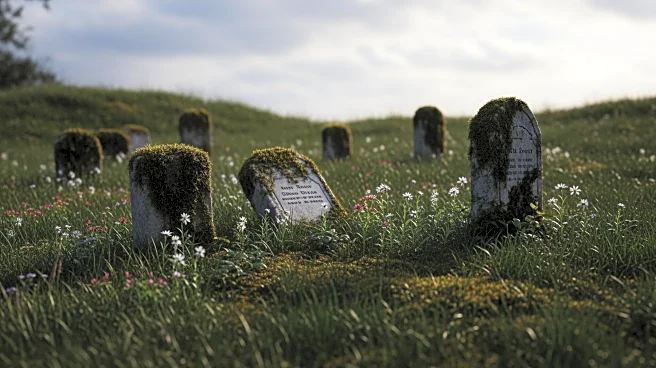
A second burial site for infants has been discovered at the former Tuam Mother and Baby home in Ireland, marking a significant development in the ongoing excavation of the site. The Tuam institution, operated by the Bon Secours Sisters, was one of many
homes where unmarried women were sent to give birth in secret. Nearly 800 infants died at the institution, with their remains believed to have been disposed of in a mass grave. The recent discovery was made by forensic experts and is part of a broader investigation into the conditions and practices at these homes.
Why It's Important?
The discovery of the burial site at Tuam highlights the historical injustices faced by women and children in these institutions. It underscores the need for accountability and transparency in addressing past abuses. The excavation and subsequent findings have prompted calls for further investigations into similar institutions across Ireland. This development is significant for survivors and their families, as it offers a chance for closure and justice. The findings also contribute to a broader understanding of the social and cultural dynamics that allowed such practices to occur, prompting discussions on how to prevent similar injustices in the future.
What's Next?
The excavation at Tuam is expected to continue for two years, with forensic experts working to identify the remains and provide answers to families seeking closure. The Irish government may face increased pressure to investigate other mother and baby homes and ensure that all victims receive justice. There may also be calls for additional support and redress for survivors and their families. As the investigation progresses, it could lead to further revelations about the extent of the abuses and prompt broader societal reflections on the treatment of women and children in institutional settings.