





What's Happening?
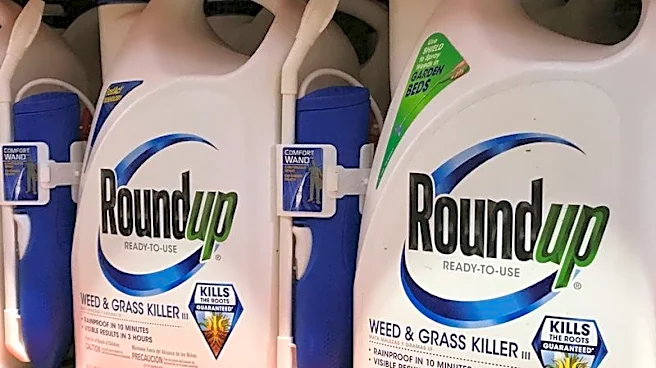
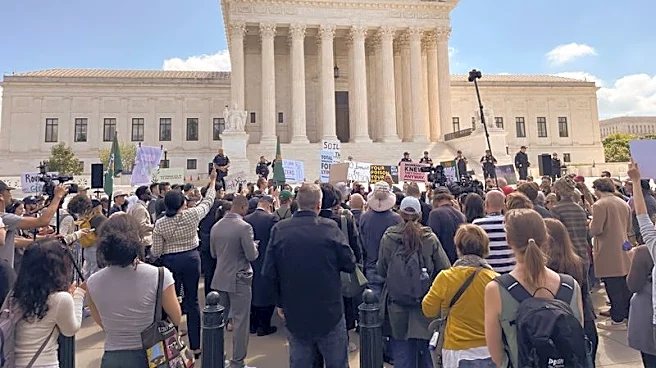
Illinois farmers are closely watching a U.S. Supreme Court case involving the herbicide Roundup, which centers on the active ingredient glyphosate. The case, initiated by Missouri gardener John Durnell, claims that long-term exposure to Roundup caused
his non-Hodgkin lymphoma. The court is considering whether federal law preempts state requirements for warning labels on products. Illinois, a major producer of soybeans and corn, heavily relies on glyphosate to boost crop yields. However, critics argue that its widespread use poses significant health and environmental risks, as it has been linked to cancer and other chronic diseases. Organic farmer Harold Wilken, who transitioned from conventional farming due to health concerns, represents a growing movement among farmers seeking to reduce chemical use. The case has drawn national attention, with states divided on whether to support Monsanto, the manufacturer of Roundup, or to uphold state-level consumer protection rights.
Why It's Important?
The outcome of this Supreme Court case could have significant implications for the agricultural industry and consumer safety. If the court rules in favor of Monsanto, it could limit the ability of consumers to seek legal recourse for health issues linked to pesticide exposure, potentially leading to less accountability for chemical manufacturers. This decision could also impact the regulatory landscape, influencing how pesticides are labeled and marketed across the U.S. For farmers, particularly those in Illinois, the ruling could affect their reliance on glyphosate and other synthetic chemicals, prompting a shift towards organic and sustainable farming practices. The case highlights the tension between agricultural productivity and public health, with potential consequences for food safety and environmental sustainability.
What's Next?
The Supreme Court is expected to deliver its ruling by the end of June. Depending on the outcome, there could be a push for legislative changes to address pesticide labeling and consumer protection. If the court sides with Monsanto, states may seek alternative ways to regulate pesticide use and protect consumers. Conversely, a ruling in favor of Durnell could encourage more lawsuits against chemical manufacturers, potentially leading to stricter regulations and increased scrutiny of agricultural chemicals. The decision may also influence the ongoing debate over the role of federal versus state authority in regulating consumer safety.
Beyond the Headlines
This case underscores broader concerns about the long-term health impacts of chemical-intensive farming practices. It raises ethical questions about the responsibility of manufacturers to disclose potential risks and the rights of consumers to be informed about the products they use. The case also highlights the challenges faced by farmers transitioning to organic methods, including financial barriers and the risk of contamination from neighboring conventional farms. As awareness of these issues grows, there may be increased support for policies that promote sustainable agriculture and reduce reliance on harmful chemicals.