







What's Happening?
The European Commission, along with EU countries and the Energy Community secretariat, is addressing the oil security of supply situation in Europe amid ongoing conflict in the Middle East. The EU is coordinating its approach to ensure fuel supply stability,
with emergency stocks available if needed. The Oil Coordination Group is meeting regularly to manage jet fuel supplies, and the European Commission is assessing the impact of the Middle East conflict on Europe's fuel supply. While there are currently no shortages, potential regional constraints could arise if the conflict continues.
Why It's Important?
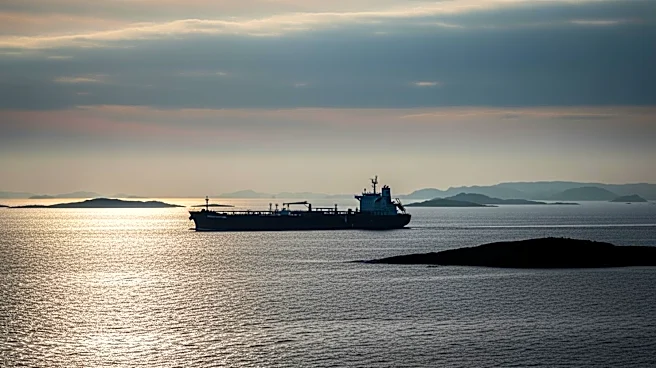
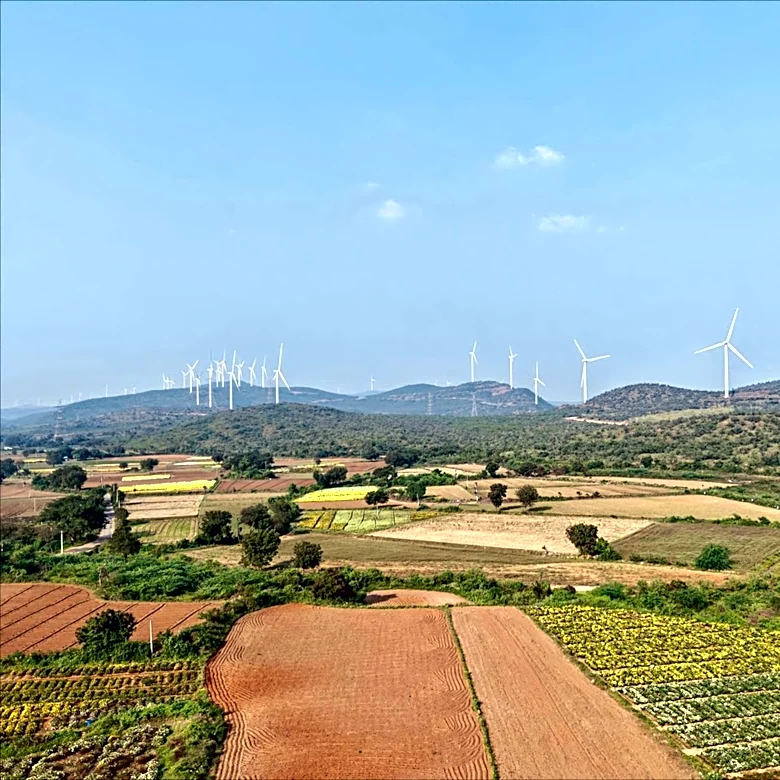
The EU's proactive approach to managing fuel supply amid geopolitical tensions highlights the importance of energy security in maintaining economic stability. The potential disruption of oil supplies through the Straits of Hormuz underscores the vulnerability of global energy markets to regional conflicts. The EU's coordinated strategy aims to mitigate the impact of such disruptions, ensuring that member states can maintain fuel supplies and avoid economic fallout. This situation also emphasizes the need for diversification of energy sources and the transition to renewable energy to reduce dependency on volatile regions.
What's Next?
The EU will continue to monitor the situation and adjust its strategy as needed to ensure fuel supply stability. This may involve releasing emergency stocks, implementing demand-side measures, and coordinating with international partners. The ongoing conflict in the Middle East could prompt further discussions on energy diversification and the acceleration of renewable energy initiatives within the EU. The situation also presents an opportunity for the EU to strengthen its energy resilience and reduce reliance on external sources.