


What's Happening?
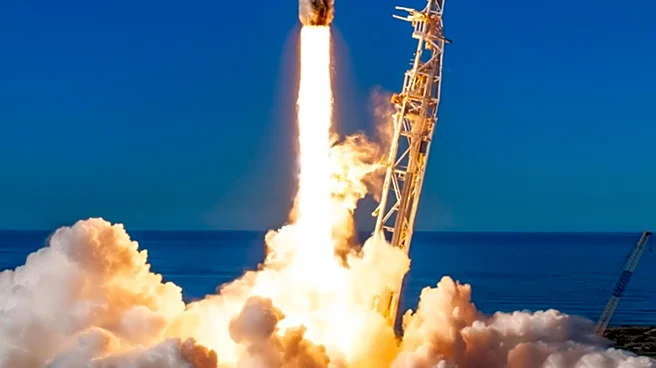
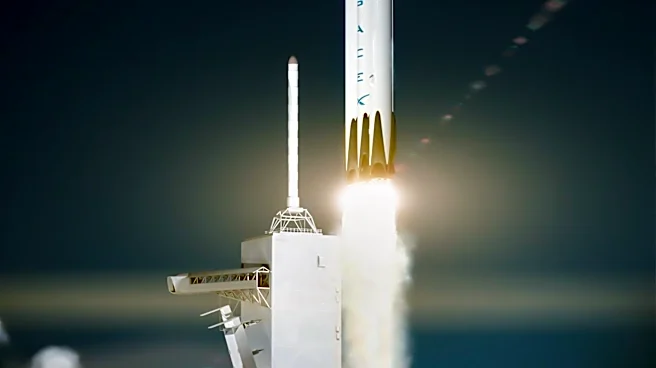
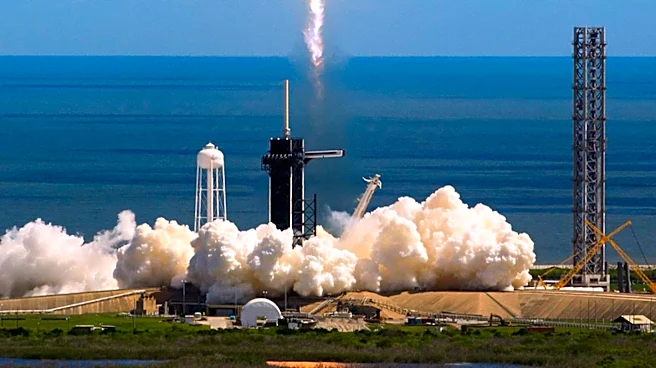
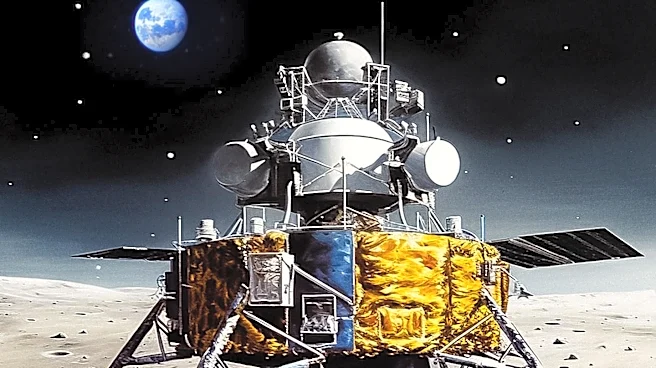
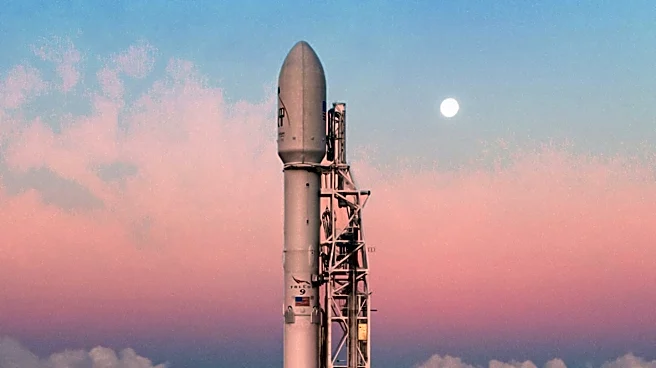
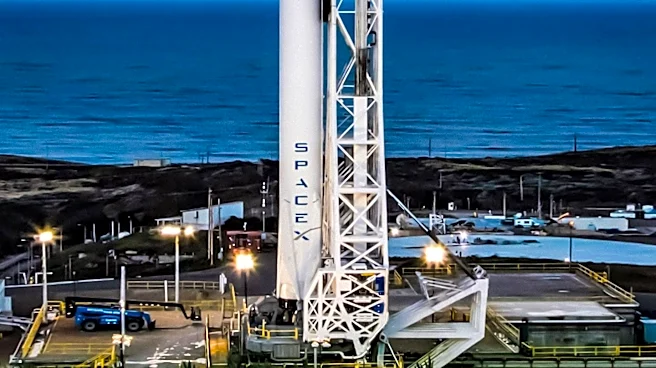
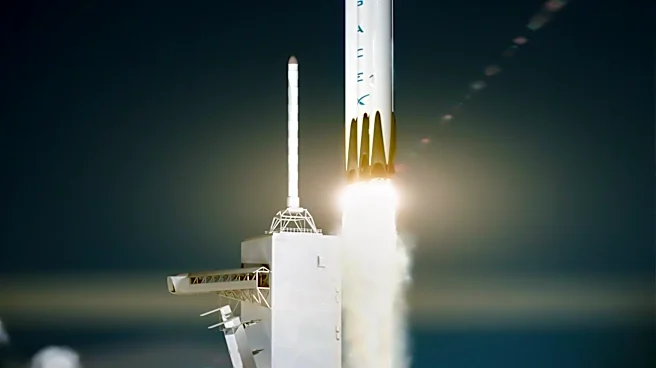
NASA, in collaboration with SpaceX, is tracking a Falcon 9 upper stage expected to impact the Moon near the Einstein and Bell craters. The impact, scheduled for August 5, poses no threat to Earth. This event is part of NASA's efforts to collect lunar
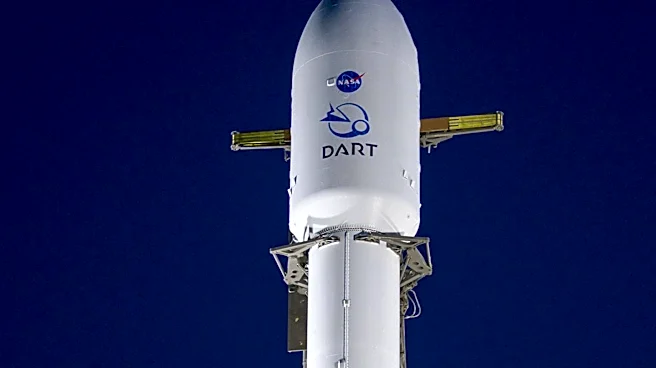
data and refine space object tracking techniques. The Falcon 9 rocket, launched in January 2025, was part of a mission under NASA's Commercial Lunar Payload Services initiative. The unplanned return to the Moon is due to solar activity and gravitational forces. NASA's Center for Near Earth Object Studies confirmed the impact trajectory, and the agency plans to observe the event using ground-based telescopes and space-based assets.
Why It's Important?
The observation of the rocket impact on the Moon provides a unique opportunity to study the effects of artificial impacts on the lunar surface. This data is valuable for understanding lunar geology and refining models for future exploration missions. The event also highlights the importance of tracking space debris and developing responsible disposal practices to mitigate risks to Earth and other celestial bodies. The collaboration between NASA and SpaceX demonstrates the growing role of commercial partnerships in space exploration, which can enhance scientific research and technological advancements.
What's Next?
NASA will continue to monitor the impact and analyze the data collected to improve tracking techniques and understand the behavior of ejecta plumes. The agency's Lunar Reconnaissance Orbiter and other instruments will attempt to capture images of the impact site, which will contribute to ongoing lunar research. The findings could influence future mission planning and the development of strategies for managing space debris. NASA remains committed to demonstrating responsible disposal practices and advancing scientific knowledge through collaborative efforts with commercial partners.