










What's Happening?
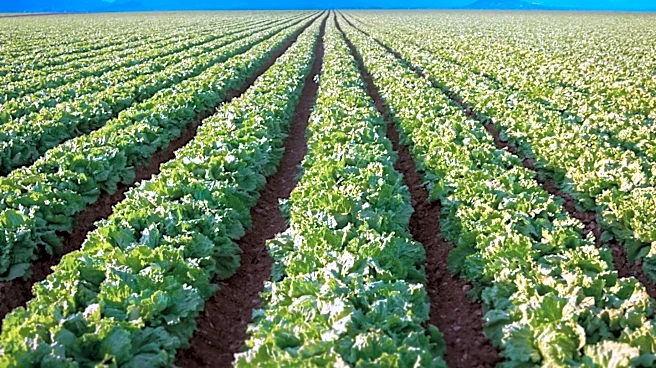
Taylor Fresh Foods, a major fruit and vegetable producer, is voluntarily recalling all iceberg lettuce sourced from central Mexico from the U.S. market due to a cyclosporiasis outbreak. This outbreak has affected more than 1,600 people across the country.
The U.S. Food and Drug Administration (FDA) has traced the outbreak to shredded iceberg lettuce served at certain Taco Bell locations in Indiana, Kentucky, Michigan, Ohio, and West Virginia. Taylor Farms has removed all iceberg lettuce from the region indefinitely as a precautionary measure. The Centers for Disease Control and Prevention (CDC) and FDA are continuing to investigate the outbreak, which has resulted in 94 hospitalizations but no deaths. Taylor Farms emphasizes its commitment to consumer safety and is working to restore public confidence in its products.
Why It's Important?
The recall of iceberg lettuce by Taylor Farms highlights significant concerns about food safety and the impact of agricultural practices on public health. The outbreak of cyclosporiasis, a parasitic infection, underscores the vulnerabilities in the supply chain, particularly with produce sourced internationally. This incident could lead to increased scrutiny and regulatory measures on imported produce, affecting the agricultural industry and food service providers. Consumers may experience heightened awareness and caution regarding fresh produce, potentially influencing purchasing behaviors and demand. The situation also stresses the importance of collaboration between food producers, retailers, and health authorities to ensure public safety and prevent future outbreaks.
What's Next?
As the investigation continues, the FDA and CDC will likely provide updates on the source and spread of the outbreak. Taylor Farms may face increased regulatory oversight and potential legal challenges if further links to the outbreak are established. Restaurants and retailers might reassess their supply chains and sourcing practices to mitigate risks. Public health advisories may be issued to inform consumers about safe consumption practices and symptoms of cyclosporiasis. The agricultural sector could see a push for more stringent safety protocols and traceability measures to prevent similar incidents in the future.