







What's Happening?
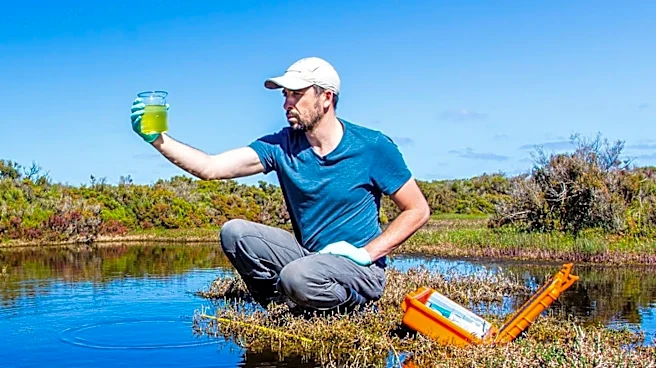
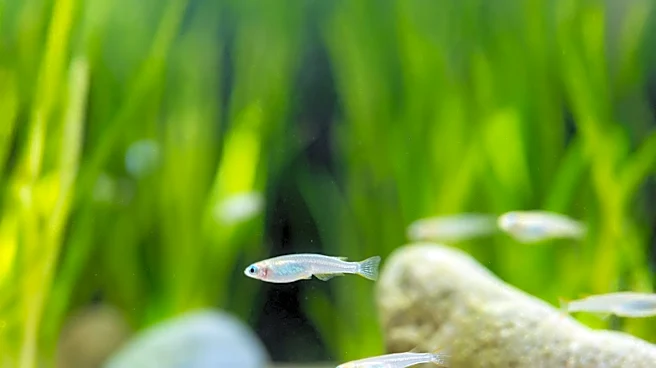
A recent whole-lake experiment led by researchers from McMaster University has revealed that a common wastewater pollutant, ethinylestradiol (EE2), significantly alters the behavior of male fathead minnows. EE2, a synthetic estrogen found in oral contraceptives,
is present in rivers and lakes despite municipal wastewater treatment. Contrary to previous laboratory studies that suggested reduced aggression, this comprehensive field study found that male minnows exposed to EE2 became fiercer rivals and poorer fathers. The researchers observed increased competition around active nests, leading nesting males to spend more time defending territories and eggs. This behavioral shift, combined with reduced parental care and fewer eggs, contributed to a population collapse of minnows in the experimental lake. The study highlights that real-world environmental conditions and social interactions can lead to different outcomes than controlled lab settings, suggesting that current ecological risk assessments for hormone pollution may be underestimating its true impact.
Why It's Important?
This research is crucial because it exposes a significant gap in understanding the ecological impact of hormone pollution. Traditional laboratory studies, while valuable for isolating direct effects, often fail to capture the complex social and environmental interactions that occur in natural ecosystems. The finding that EE2 increases aggression in male minnows, rather than decreasing it as previously thought, indicates that the ecological risks of such pollutants might be far greater than currently assessed. This could have profound implications for freshwater ecosystems across the U.S., where similar wastewater contaminants are prevalent. Altered fish behavior and reproductive success can lead to declines in fish populations, disrupting food webs and overall aquatic biodiversity. This study underscores the need for more comprehensive, whole-ecosystem research to accurately gauge environmental threats and inform more effective pollution control strategies, ultimately impacting the health of aquatic life and the ecosystems they inhabit.
What's Next?
The findings from this whole-lake experiment are expected to prompt a re-evaluation of environmental risk assessments for hormone pollution and other contaminants. Regulatory bodies and environmental agencies may need to consider incorporating more complex ecological models and field studies into their assessment protocols. Researchers will likely pursue further whole-ecosystem experiments to investigate the long-term effects of EE2 and other pollutants on various aquatic species and their interactions. There could also be increased pressure on wastewater treatment facilities to enhance their removal processes for synthetic hormones, potentially leading to new technological developments or stricter discharge regulations. Public awareness campaigns about the impact of pharmaceuticals on aquatic environments might also gain traction, encouraging more responsible disposal practices. The scientific community will likely engage in discussions about standardizing methodologies for large-scale ecological studies to better inform conservation efforts and policy decisions.
Beyond the Headlines
The study's revelation that pollutants can induce behavioral changes opposite to those observed in labs points to a deeper issue in environmental science: the challenge of translating controlled experimental results to complex natural systems. This highlights the limitations of reductionist approaches when dealing with ecological dynamics, where social interactions and environmental variability play critical roles. Ethically, it raises questions about the unseen consequences of human pharmaceutical consumption and disposal on wildlife, suggesting a broader responsibility for the entire lifecycle of such products. Legally, it could strengthen arguments for more stringent environmental protection laws and increased funding for ecological research that focuses on real-world impacts. Culturally, it may foster a greater appreciation for the interconnectedness of human activities and ecosystem health, potentially influencing public attitudes towards environmental stewardship and sustainable practices. This research serves as a powerful reminder that ecological systems often respond in unpredictable ways, necessitating a more holistic and adaptive approach to environmental management.