




What's Happening?
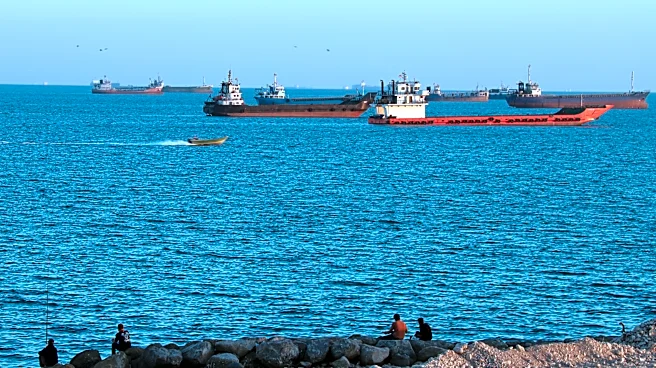
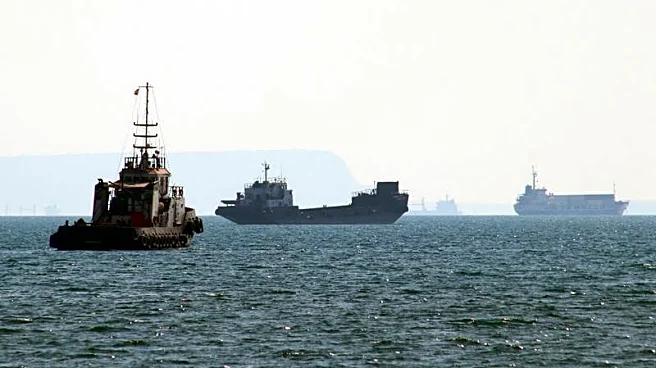
Piracy off the coast of Somalia has seen a significant resurgence, reaching levels not observed since 2013. This increase is attributed to a 'perfect storm' of factors, primarily the diversion of international naval forces from counter-piracy operations
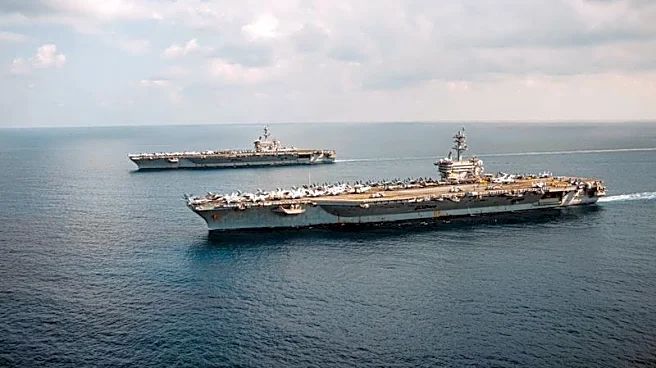
to address escalating maritime threats in the Middle East, particularly in the Red Sea and Gulf of Aden. Naval coalitions are heavily committed to intercepting drone and missile threats from Yemen's Ansar Allah movement (Houthis) and managing tensions around the Strait of Hormuz. This reallocation of resources has created security gaps in the vast Somali Basin, providing opportunistic pirate groups with more targets and less policing. Additionally, internal unrest in Somalia's semi-autonomous Puntland region, including political clashes and counter-insurgency operations against ISIS-Somalia, has further weakened local maritime security efforts.
Why It's Important?
The resurgence of Somali piracy poses a significant threat to international shipping and global trade, adding another layer of instability to already strained maritime passageways. The increased risk of attacks will likely lead to higher insurance premiums for vessels transiting the region and may force commercial traffic to take longer, more costly routes. This situation exacerbates the challenges faced by the global maritime industry, which is already grappling with disruptions from conflicts in the Middle East. The diversion of naval assets highlights how interconnected global security threats are, where instability in one region can have cascading effects on others. It also underscores the vulnerability of critical shipping lanes when international focus shifts, creating opportunities for criminal enterprises to thrive.
What's Next?
Experts predict that episodic pirate attacks will continue, as the underlying criminal groups are not fully dismantled and root causes like illegal fishing and lack of alternative livelihoods remain unaddressed. While Somali authorities and international partners have mobilized efforts to contain the outbreak, the current geopolitical climate makes it difficult to replicate the unified international counter-piracy efforts seen in the past. A potential response could involve greater reliance on armed private security contractors, though their effectiveness in fully eradicating the problem is debated. The long-term solution requires addressing the socio-economic factors in Somalia that fuel piracy, alongside sustained international maritime security presence. The situation will likely continue to add costs and complexities to global shipping operations.
Beyond the Headlines
The comeback of Somali piracy reveals deeper geopolitical implications, including the potential for convergence among various threat actors in the Gulf of Aden. While Somali pirates are primarily criminal, there are suspicions of tacit ties between Yemen's Ansar Allah movement and armed non-state actors in Somalia, including Al-Shabab. This complex web of relationships, driven by overlapping interests and illicit networks, could further destabilize the region. The chaos created by these multiple threats stretches the limited resources of naval operations, making it harder to address each issue effectively. Ultimately, this situation allows actors like Iran and its allies to disrupt maritime trade across a vast geography, impacting two of the world's most critical waterways and highlighting the fragility of global supply chains in an era of interconnected conflicts.