



What's Happening?
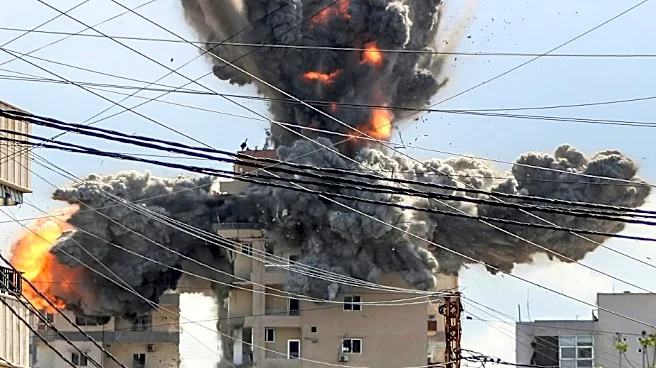
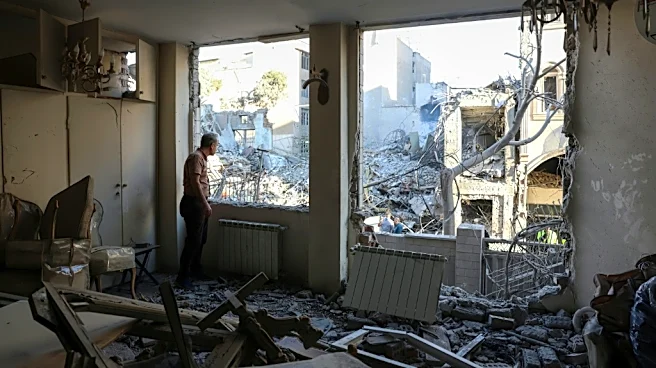
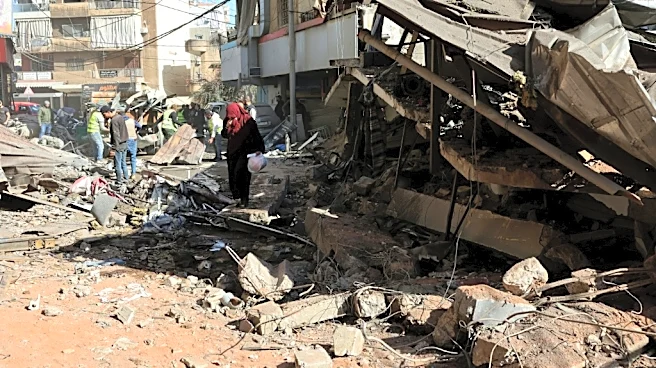
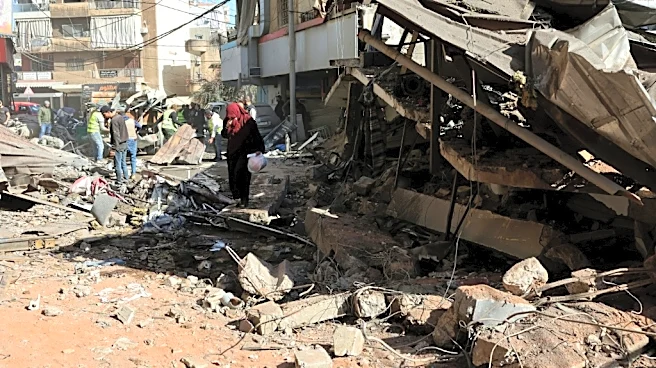
Rania Khalek, a Lebanese-American journalist with Breakthrough News, recounted the intense Israeli airstrikes on Lebanon, describing it as the 'most terrifying day of my life.' The event, which has been dubbed 'Black Wednesday,' involved Israel dropping
160 bombs in a span of ten minutes across various locations in Lebanon. This military action has drawn significant attention and concern from international observers and media outlets. Khalek's firsthand account highlights the immediate chaos and fear experienced by those on the ground during the strikes. The incident is part of ongoing tensions in the region, with Israel's military actions often being a point of contention in international relations.
Why It's Important?
The Israeli airstrikes on Lebanon have significant implications for regional stability and international relations. Such military actions can exacerbate existing tensions between Israel and its neighboring countries, potentially leading to further conflict. The strikes also raise questions about the safety and security of civilians in conflict zones, as well as the role of international bodies in mediating and resolving such disputes. For the United States, which has strategic interests in the Middle East, these developments could influence foreign policy decisions and diplomatic engagements. The incident underscores the fragile nature of peace in the region and the potential for rapid escalation into broader conflicts.
What's Next?
In the aftermath of the strikes, there may be calls for international investigations into the actions taken by Israel, particularly concerning the impact on civilian populations. Diplomatic efforts may intensify to de-escalate tensions and prevent further military engagements. The United Nations and other international organizations could play a role in facilitating dialogue between the involved parties. Additionally, there may be increased scrutiny on military operations in the region, with human rights organizations advocating for accountability and transparency. The situation remains fluid, with potential for both diplomatic resolutions and further conflict.
Beyond the Headlines
The airstrikes highlight the ongoing challenges of press freedom and safety for journalists in conflict zones. Khalek's experience underscores the risks faced by media personnel who report from dangerous environments, often at great personal risk. This incident may prompt discussions about the protection of journalists and the ethical responsibilities of media organizations in conflict reporting. Furthermore, the event could influence public opinion and media narratives about the Middle East, shaping perceptions and policy debates in the U.S. and beyond.