




What's Happening?
The U.S. Air Force is evaluating the feasibility of resuming production of the C-17 Globemaster III cargo plane as part of its evolving plans for next-generation airlift capabilities. This assessment comes as the service also explores various concepts
for future aerial refueling, including stealthy and uncrewed tankers. Lt. Gen. Daniel Tulley, head of Air Mobility Command (AMC), confirmed that all options are on the table for replacing the C-17 and C-5M Galaxy, with a target for a single Next-Generation Airlift (NGAL) platform by the mid-2040s. The C-17 production line was closed by Boeing in 2015. The Air Force is investigating whether the machinery and dies for C-17 production have been stored and what the associated costs would be to restart the line. This inquiry is part of an Analysis of Alternatives, which will also consider potential technological upgrades to a new C-17 variant, such as enhanced self-defense and network connectivity, to meet modern operational requirements.
Why It's Important?
The potential restart of C-17 production highlights critical challenges within the U.S. Air Force's strategic airlift and aerial refueling capabilities, particularly in the context of ongoing global operations and potential conflicts. The current C-17 fleet is in high demand, and the aging KC-135 tanker fleet faces increasing strain. A decision to restart C-17 production would signify a significant investment in proven airlift capacity, potentially addressing immediate operational needs and reducing reliance on a single, future NGAL platform. However, it also raises questions about the cost-effectiveness of investing in an older design versus developing entirely new technologies. The discussion around future tankers, including optionally manned or autonomous systems, underscores the Air Force's push for more survivable and connected assets in contested environments. The outcome of these assessments will directly impact the U.S. military's ability to project power globally, sustain operations, and respond to emerging threats, affecting defense contractors, technological development, and overall national security posture.
What's Next?
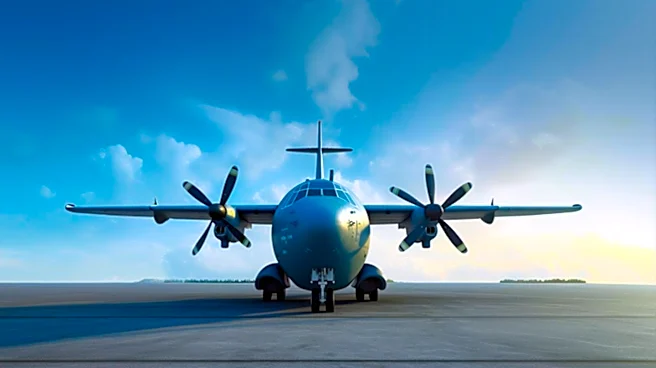
The U.S. Air Force will continue its Analysis of Alternatives to determine the best path forward for its next-generation airlift and aerial refueling capabilities. This process will involve detailed assessments of the costs, complexities, and technological advancements associated with restarting C-17 production, as well as evaluating new clean-sheet designs like Radia's Windrunner. The House Armed Services Committee has already directed the Air Force to provide a formal briefing on new C-17 production, indicating legislative interest and oversight. Concurrently, the Air Force will pursue upgrades for its existing airlift and tanker fleets, focusing on improved network connectivity and self-protection. Decisions regarding the Advanced Tanker Systems (ATS) program will also progress, exploring various solutions, including manned, optionally manned, or autonomous tankers. The Air Force's findings and subsequent decisions are expected to shape long-term procurement strategies and influence the defense industry's focus on future military aviation technologies.
Beyond the Headlines
The debate over restarting C-17 production extends beyond mere logistics, touching upon fundamental questions of industrial capacity, technological innovation, and strategic foresight in military planning. The closure of the C-17 line in 2015 reflected a shift in defense priorities, and its potential reopening would signal a re-evaluation of those priorities in light of current geopolitical realities. This situation highlights the challenges of maintaining a robust defense industrial base, as the ability to quickly restart complex manufacturing processes is often difficult and costly. Furthermore, the emphasis on connectivity and self-protection for both airlift and tanker fleets points to a broader strategic shift towards operating in more contested and technologically advanced environments. The integration of AI and advanced computing power into these aircraft, as well as the exploration of autonomous systems, suggests a future where traditional manned platforms are increasingly augmented or replaced by sophisticated unmanned capabilities, fundamentally altering the nature of aerial warfare and logistics.