
What's Happening?
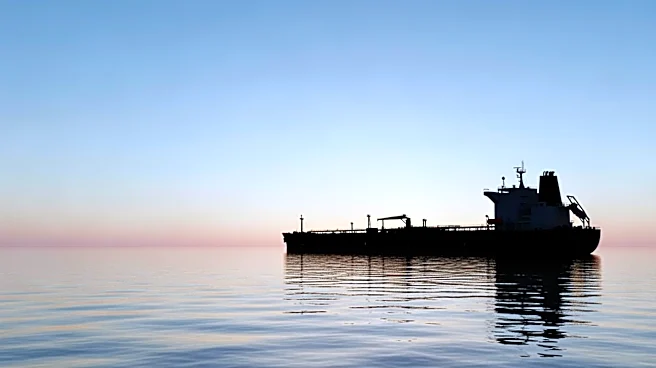
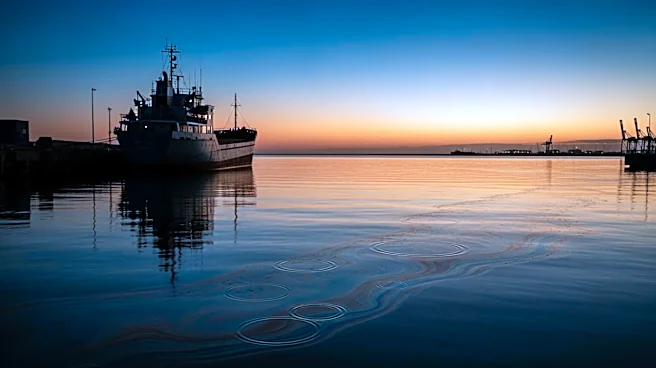
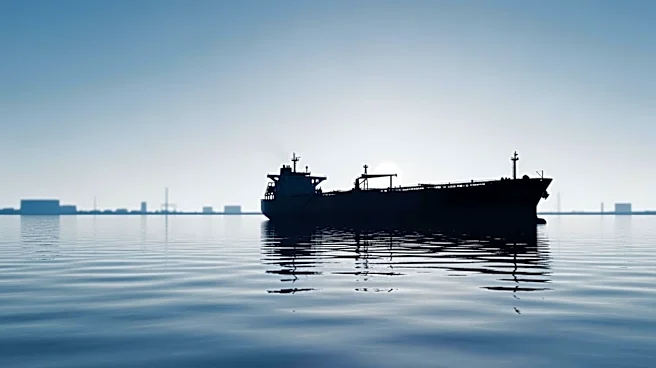
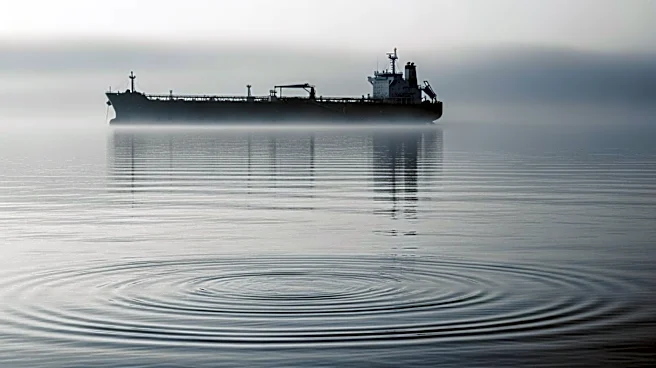
Swedish authorities have released the Flora 1, a tanker sanctioned by the European Union, which was detained on suspicion of causing an oil spill in the Baltic Sea. The Swedish Coast Guard found insufficient evidence to hold the vessel responsible for
the 12-kilometer spill discovered last Thursday. The Flora 1, sailing under Cameroon's flag, was on the EU's list of sanctioned vessels for carrying Russian oil and engaging in high-risk shipping practices. These sanctions are part of broader measures to limit revenues that could fund Russia's invasion of Ukraine. The tanker, owned by a Hong Kong company, has been sanctioned by multiple countries and has a history of turning off its automatic tracking system, raising safety concerns.
Why It's Important?
The release of the Flora 1 highlights the complexities and challenges in enforcing international sanctions, particularly those aimed at curbing revenues from Russian oil. The incident underscores the difficulties in monitoring and regulating the so-called 'shadow fleet' of aging tankers that operate outside the purview of Western insurance and safety standards. This fleet poses significant environmental risks, as evidenced by the potential for oil spills. The case also illustrates the geopolitical tensions surrounding energy trade and the enforcement of sanctions, which are critical tools in international diplomacy and conflict resolution.
What's Next?
The release of the Flora 1 may prompt further scrutiny of the EU's sanction enforcement mechanisms and the effectiveness of current monitoring practices. It could lead to calls for more stringent international cooperation and technological advancements in tracking and regulating maritime activities. Additionally, the incident may influence future policy decisions regarding the management of sanctioned vessels and the environmental risks they pose.