






What's Happening?
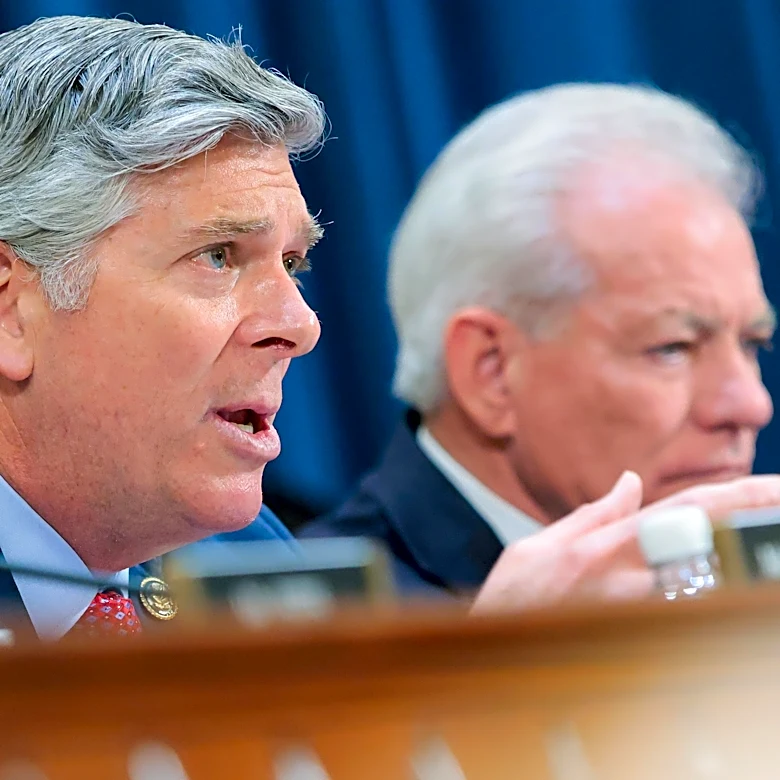
U.S. Representative Morgan Griffith (R-Va.) has co-introduced the Faster Clinical Trials Act with Massachusetts Democratic Congressman Jake Auchincloss. This bipartisan legislation aims to modernize clinical trials and reform aspects of medication and treatment
approval at the Food and Drug Administration (FDA). The bill seeks to expand patient participation in clinical trials, particularly for individuals in rural communities who are often underrepresented. It proposes creating opportunities for clinical trials in local healthcare settings such as community health centers and rural facilities, allowing patients to participate closer to home. Additionally, the act calls for an increase in U.S. patient representation in clinical trials, strengthens oversight of foreign clinical research, and establishes a National Biobank Program. This program would collect, store, and analyze biological specimens and clinical data, requiring representation from every U.S. state and territory, including both urban and rural populations. The legislation also includes updates for cancer drug development and authorizes the use of artificial intelligence as an alternative to animal testing.
Why It's Important?
The Faster Clinical Trials Act is significant because it addresses critical disparities in medical research and aims to accelerate the development of new treatments. By expanding access to clinical trials for rural patients, the bill seeks to ensure that a broader and more representative demographic participates in studies, leading to more comprehensive and effective research outcomes. This could lead to better treatments for rare diseases and other conditions that disproportionately affect underserved populations. The establishment of a National Biobank Program is crucial for generating more robust data on patient and researcher representation, which can inform future medical advancements. Furthermore, the authorization of AI in drug development could streamline the research process, potentially reducing costs and accelerating the timeline for bringing new medications to market. This bipartisan effort highlights a shared commitment to improving healthcare infrastructure and patient access across the nation, potentially leading to a more equitable and efficient medical research landscape.
What's Next?
While the limited calendar for the current Congress makes action on the Faster Clinical Trials Act unlikely by the end of the year, Representative Griffith and Congressman Auchincloss remain committed to advancing the bill in the next Congress. Their immediate next step will be to gather widespread support from colleagues on both sides of the aisle. This will involve continued advocacy, discussions with stakeholders in the medical and pharmaceutical industries, and engagement with patient advocacy groups. If the bill gains momentum, it could proceed through committee hearings and eventually to a vote in the House and Senate. The successful passage of this legislation would necessitate collaboration between various government agencies, including the FDA, and healthcare providers to implement the proposed changes, such as integrating clinical trials into routine healthcare delivery and establishing the National Biobank Program. The long-term impact would depend on the effectiveness of these new frameworks in increasing patient participation and accelerating medical breakthroughs.
Beyond the Headlines
Beyond its immediate goals, the Faster Clinical Trials Act touches upon deeper ethical and societal implications within the healthcare system. The emphasis on rural patient inclusion addresses long-standing issues of healthcare access and equity, recognizing that geographic location should not be a barrier to participating in cutting-edge medical research or receiving advanced treatments. The bill's push for increased U.S. patient representation and oversight of foreign clinical research also highlights concerns about data integrity and the ethical conduct of trials globally. The authorization of artificial intelligence in drug development signals a broader shift towards leveraging advanced technology in healthcare, raising questions about the regulatory frameworks needed to ensure AI's ethical and safe application. This legislative effort could set a precedent for future bipartisan collaborations aimed at modernizing critical national infrastructure, demonstrating that common ground can be found on issues that directly impact public health and scientific advancement.