





What's Happening?
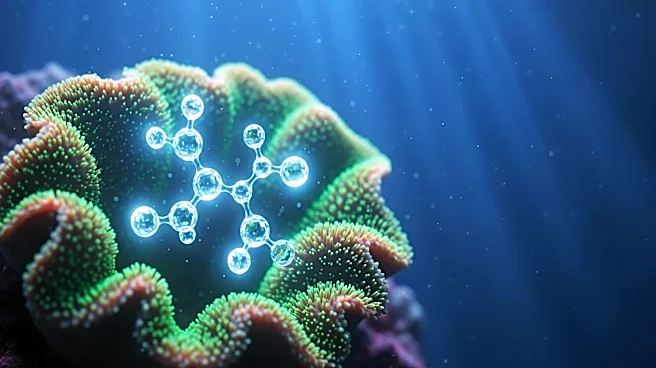
Researchers have identified a novel anticancer molecule, jorumycidine, derived from the symbiotic relationship between a sea slug and its sponge prey. This discovery, published in the journal Communications Chemistry, highlights the potential of marine
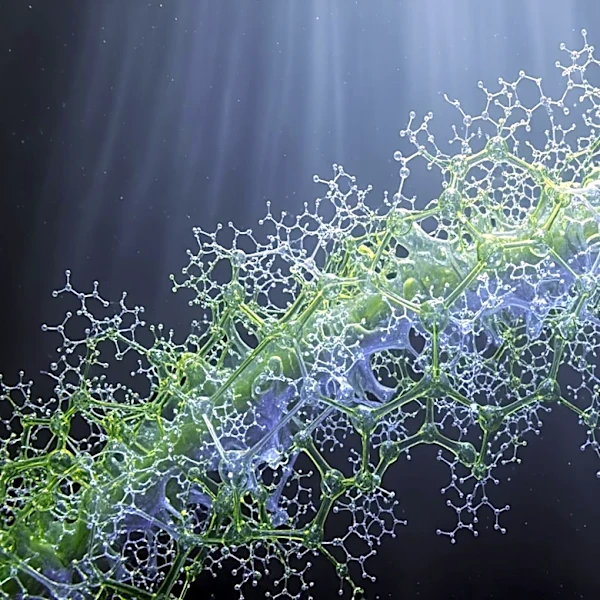
chemistry in developing stable anticancer drug scaffolds. Jorumycidine, a bis-tetrahydroisoquinoline alkaloid, features a unique hexacyclic structure with an additional oxazolidine ring, distinguishing it from previously known compounds. The study involved collecting specimens from Koh Tao Island, Thailand, and using advanced techniques like nuclear magnetic resonance spectroscopy and high-resolution mass spectrometry to characterize the compounds. The research demonstrated jorumycidine's strong anticancer effects, particularly against multiple myeloma cells, with a half-maximal inhibitory concentration of 13.8 nanomolar.
Why It's Important?
The discovery of jorumycidine underscores the significance of marine natural products in cancer drug development. Its unique structure and potent anticancer activity offer a promising scaffold for future therapies, potentially overcoming limitations of chemical instability seen in other compounds. This research not only expands the understanding of marine biosynthetic pathways but also encourages further exploration of ecological relationships among marine organisms as sources for innovative therapeutic methods. The findings could lead to the development of more effective and stable anticancer drugs, benefiting patients and advancing the pharmaceutical industry.
What's Next?
Further research is needed to explore the biosynthetic pathways and potential therapeutic uses of jorumycidine. Scientists may investigate the metabolic relay between the sea slug and sponge to understand the enzymatic transformations involved. Additionally, the study's findings could inspire more research into marine symbiosis and its role in drug discovery. Pharmaceutical companies might explore the commercial potential of jorumycidine, leading to clinical trials and eventual drug development. The broader scientific community may also focus on identifying other marine-derived compounds with similar or enhanced anticancer properties.
Beyond the Headlines
The study of jorumycidine highlights the ethical and environmental considerations of marine bioprospecting. As researchers delve deeper into oceanic ecosystems for drug discovery, there is a need to balance scientific exploration with conservation efforts. Protecting marine biodiversity is crucial to ensure sustainable access to these natural resources. Additionally, the research emphasizes the importance of interdisciplinary collaboration, combining chemistry, biology, and environmental science to unlock the therapeutic potential of marine organisms.