




What's Happening?
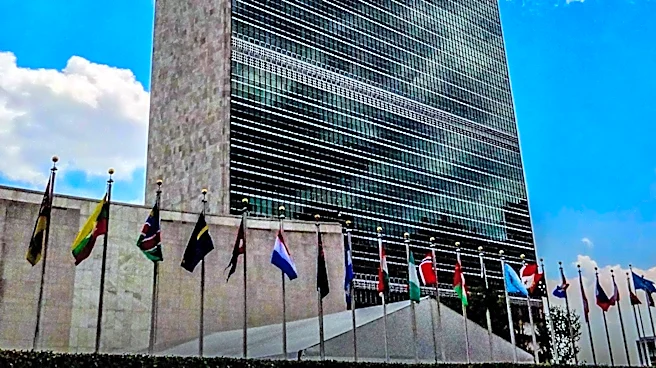
Rafael Mariano Grossi, the Director-General of the International Atomic Energy Agency (IAEA), briefed the UN General Assembly on critical nuclear safety and security issues across several nations. A primary concern highlighted was the Zaporizhzhia Nuclear
Power Plant in Ukraine, where the IAEA has maintained a presence for nearly five years due to ongoing nuclear safety risks. The agency recently facilitated its eighth localized ceasefire between Russia and Ukraine to allow for essential repairs, aiming to prevent a nuclear accident. Grossi also reported significant progress in Syria, where the IAEA has gained access to previously restricted facilities after almost two decades, bringing all nuclear material under monitoring and verification. Regarding Iran, the IAEA chief stated that most technical preparations for verifying its nuclear activities are complete, expressing optimism for a diplomatic agreement between Tehran and Washington. Additionally, Grossi mentioned the IAEA's independent monitoring of treated water discharges from Japan's Fukushima nuclear power plant and advocated for expanding access to nuclear energy in developing countries, welcoming the World Bank's decision to finance such projects.
Why It's Important?
The IAEA Director-General's briefing underscores the persistent global challenges in nuclear safety and non-proliferation, directly impacting international security and energy policy. The situation at the Zaporizhzhia Nuclear Power Plant remains a critical concern, as any incident could have catastrophic regional and potentially global consequences, affecting public health, environmental stability, and geopolitical relations. The IAEA's role in negotiating ceasefires for repairs highlights its crucial function in de-escalating conflicts around nuclear infrastructure. Progress in Syria, bringing its nuclear material under international oversight, is a significant step towards strengthening the non-proliferation regime and reintegrating Syria into the international community. The ongoing efforts to verify Iran's nuclear activities are vital for regional stability and preventing nuclear proliferation, with potential implications for global diplomatic efforts. Furthermore, the emphasis on expanding nuclear energy access in developing nations reflects a growing recognition of nuclear power as a tool for sustainable development and energy security, influencing future international investment and cooperation in the energy sector.
What's Next?
For Ukraine, the IAEA will likely continue its on-site presence at the Zaporizhzhia Nuclear Power Plant, working to ensure adherence to nuclear safety principles and facilitating further localized ceasefires for maintenance and repairs. The agency will also monitor the effectiveness of these agreements and report on any new developments or threats to the plant's safety. In Syria, the IAEA will proceed with its monitoring and verification activities, aiming to solidify the long-term oversight of nuclear material and further integrate Syria into international nuclear safety frameworks. Regarding Iran, the IAEA will continue its technical preparations and stands ready to implement verification measures should a diplomatic agreement be reached between Tehran and Washington. The outcome of these negotiations will dictate the agency's next steps in monitoring Iran's nuclear program. Globally, the IAEA will likely continue to advocate for the safe and peaceful use of nuclear technology, particularly in developing countries, potentially leading to increased international partnerships and funding for nuclear energy projects, as signaled by the World Bank's recent decision.
Beyond the Headlines
The IAEA's multifaceted efforts extend beyond immediate crisis management, touching upon the broader ethical and strategic dimensions of nuclear technology. The ongoing risks at Zaporizhzhia highlight the vulnerability of critical infrastructure in conflict zones and raise questions about international legal frameworks for protecting such sites. The agency's success in Syria, achieved through 'discreet diplomacy and perseverance,' demonstrates the power of technical expertise and sustained engagement in resolving long-standing proliferation concerns, offering a model for other complex geopolitical challenges. The push for equitable access to peaceful nuclear technology for developing nations also brings to the forefront issues of energy justice and sustainable development. It underscores the dual nature of nuclear technology—both a potential threat and a vital tool for addressing climate change and energy poverty. This broader context involves navigating the delicate balance between non-proliferation goals and the legitimate energy needs of nations, shaping future global energy policies and international cooperation paradigms.