



What's Happening?
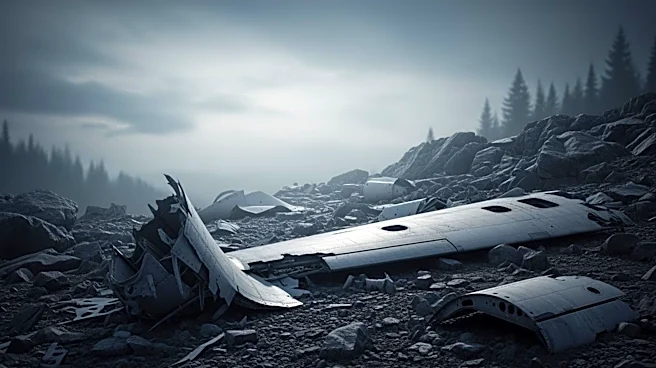
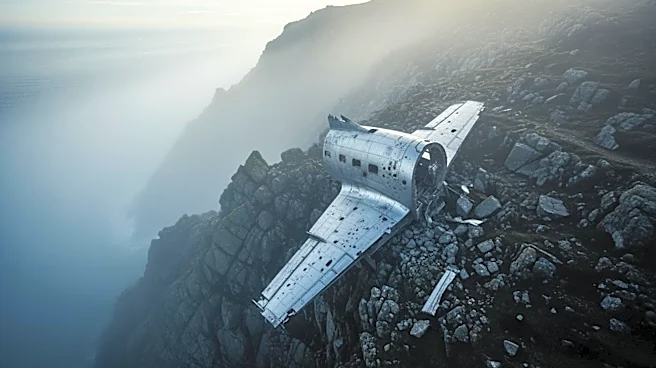
A Russian military transport plane, identified as an An-26, crashed into a cliff in Crimea, resulting in the deaths of all 29 individuals on board. The incident occurred on Tuesday, with Russian authorities announcing the crash on Wednesday. The crash site
is located on the Crimean Peninsula, a region annexed by Russia from Ukraine in 2014. The Russian Defense Ministry and the Investigative Committee provided conflicting reports regarding the number of passengers and crew members, with the Defense Ministry citing 23 passengers and six crew members, while the Investigative Committee reported 22 passengers and seven crew members. Preliminary investigations suggest a technical malfunction as the likely cause of the crash. This incident adds to a series of Russian military aircraft accidents since the beginning of the conflict with Ukraine in February 2022.
Why It's Important?
The crash highlights ongoing issues within the Russian military's aviation sector, particularly concerning aircraft maintenance and operational safety. The loss of military personnel and equipment could impact Russia's military capabilities, especially in the context of its ongoing conflict with Ukraine. The incident may prompt further scrutiny of Russia's military aviation practices and could lead to increased pressure on the Russian government to address these safety concerns. Additionally, the crash underscores the human cost of military operations and the risks associated with operating in contested regions like Crimea.
What's Next?
In the aftermath of the crash, Russian authorities are likely to conduct a thorough investigation to determine the exact cause of the technical malfunction. This may involve examining the aircraft's maintenance records and operational procedures. The findings could lead to changes in safety protocols and maintenance practices within the Russian military. Furthermore, the incident may influence Russia's strategic decisions regarding its military presence and operations in Crimea and other contested areas. International observers and stakeholders will be closely monitoring the situation for any developments that could affect regional stability.