




What's Happening?
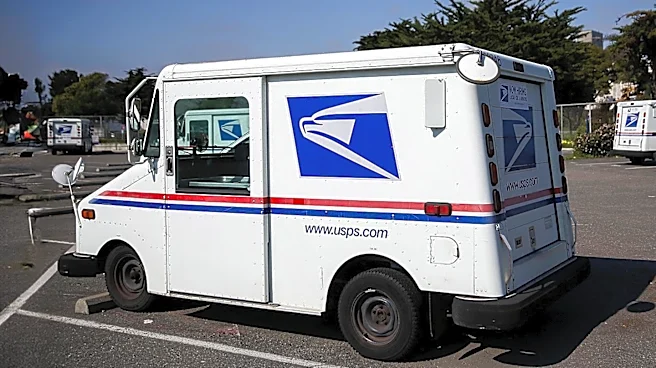
David Steiner, the Postmaster General of the U.S. Postal Service, is facing scrutiny and political pressure following President Trump's executive order aimed at restricting mail voting. Steiner, who previously expressed unfavorable views of President Trump in 2007,
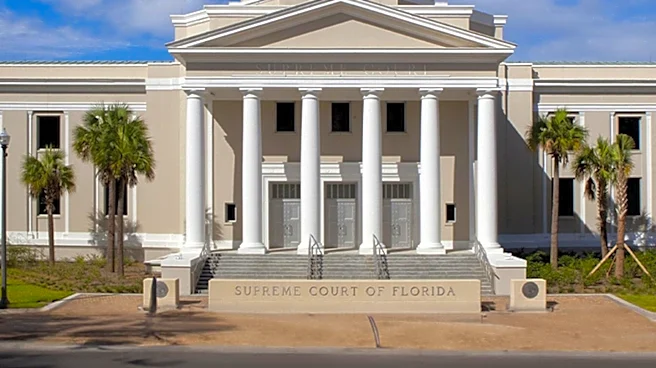
found himself tasked with operationalizing the order. Although the U.S. Supreme Court ultimately rejected the effort, Steiner had moved to finalize a rule implementing the measure. He stated that work on a controversial government portal for voter rolls, a key element of the plan, has ceased. Steiner maintains that the Postal Service is an independent agency of the executive branch and that his focus is on implementation and allowing the courts to decide on policy matters. This situation has led to criticism from both Democrats, who accuse him of being a 'Trump lackey' or 'pawn,' and some Republicans, who have called for his resignation over unrelated service issues.
Why It's Important?
The situation highlights the delicate balance of independence and political influence within a critical federal agency like the U.S. Postal Service, especially concerning election integrity. The Postal Service plays a vital role in American elections, and any perceived politicization could erode public trust. The agency's ability to remain neutral and efficient is crucial for ensuring fair and accessible voting processes, particularly with the increasing reliance on mail-in ballots. The controversy also underscores the challenges faced by leaders of independent agencies when navigating directives from the White House that may be seen as politically motivated. The financial health of the Postal Service, which reported a $9 billion net loss last year, further complicates its operational independence, as it relies on Congress to lift borrowing caps, potentially making it susceptible to political leverage.
What's Next?
Despite the Supreme Court's rejection of President Trump's mail voting order, the Postal Service will continue to play a significant role in upcoming elections. Concerns remain regarding the rejection of mail ballots due to late postmarks, with Steiner encouraging voters to submit their ballots a week before the election. The agency also faces ongoing financial challenges, including a potential cash shortage if Congress does not lift a $15 billion borrowing cap. The composition of the Postal Service's board of governors could shift, as four Trump nominees await Senate confirmation, which could influence future leadership and policy decisions. Steiner has indicated he has no intention of resigning, suggesting continued navigation of political pressures and operational demands.
Beyond the Headlines
This episode delves into the broader implications of political appointments and the independence of federal agencies. Steiner's past critical remarks about President Trump, made nearly two decades ago, resurfacing in the context of his current role, illustrate the long-term scrutiny public figures face. The debate over the Postal Service's role in elections also touches upon the fundamental principles of democratic processes and the potential for federal agencies to be perceived as tools for political agendas. The public's trust in institutions like the Postal Service is paramount, and any actions that compromise this trust could have lasting effects on civic engagement and the perceived legitimacy of electoral outcomes. The financial struggles of the Postal Service also raise questions about the long-term sustainability of essential public services in an increasingly polarized political landscape.