


What's Happening?
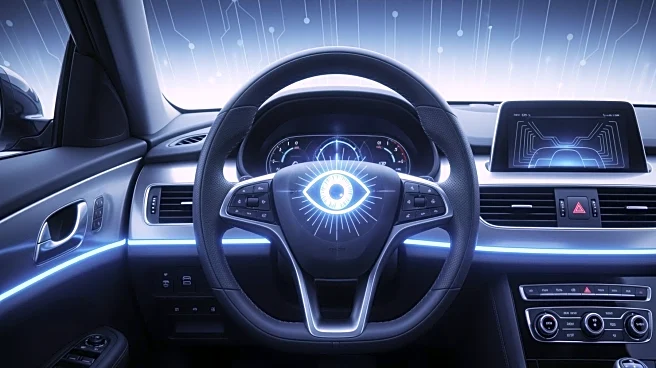
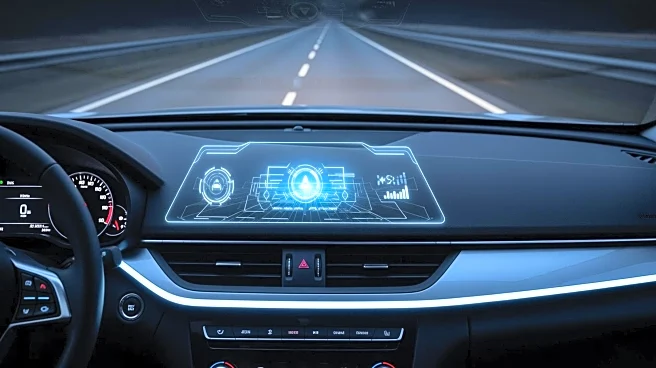
The National Highway Traffic Safety Administration (NHTSA) has upgraded its investigation into 3.2 million Tesla vehicles equipped with Full Self-Driving (FSD) technology. The probe, initially opened in October 2024, focuses on concerns that the FSD system
may fail to detect or warn drivers in poor visibility conditions. The investigation has identified nine incidents potentially linked to this issue, including one fatal crash. NHTSA's concerns center around the Tesla Vision system, which relies solely on cameras without radar, and its ability to handle degraded visibility conditions. The agency is conducting an engineering analysis, a necessary step before potentially issuing a recall.
Why It's Important?
This investigation highlights the ongoing scrutiny of Tesla's self-driving technology, which is central to the company's future plans for a fleet of robotaxis. The outcome of this probe could have significant implications for Tesla's operations and its reputation in the autonomous vehicle market. If the investigation leads to a recall, it could affect millions of Tesla vehicles on U.S. roads, impacting the company's financial performance and consumer trust. The findings may also influence regulatory standards for self-driving technologies, affecting the broader automotive industry.
What's Next?
NHTSA plans to examine the performance of Tesla's updated degradation detection system, assessing its effectiveness in improving visibility detection and driver alerts. The agency will determine whether the system's updates have been widely deployed and if they address the identified safety concerns. Tesla's response to the investigation and any potential recall actions will be closely watched by industry stakeholders and regulators. The outcome could shape future regulatory approaches to autonomous vehicle technologies.