


What's Happening?
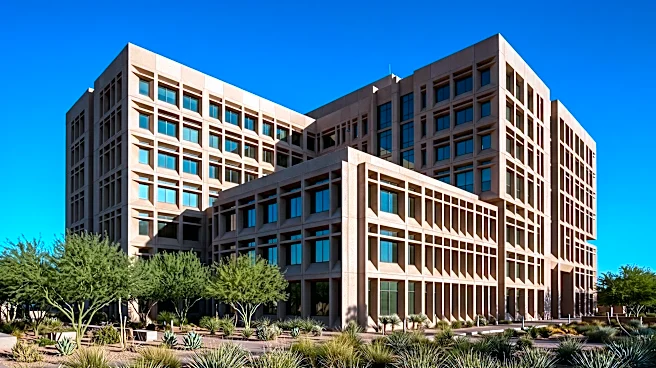
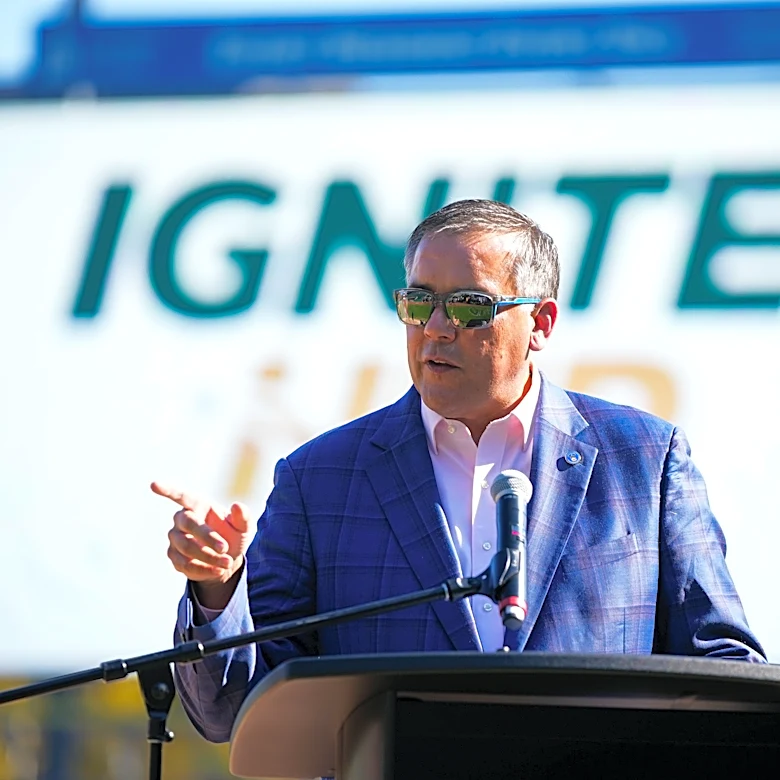
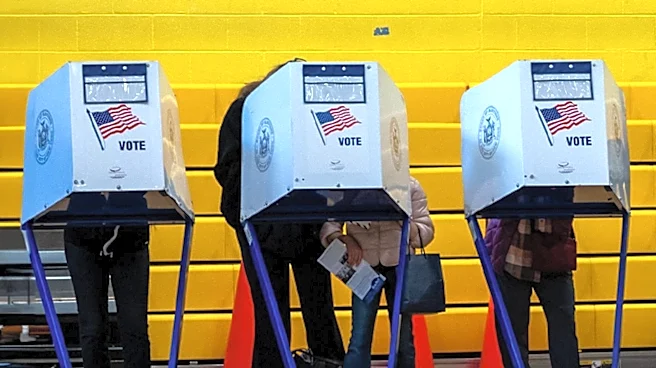
Maricopa County Attorney Rachel Mitchell announced that an investigation revealed eight non-citizens voted in Maricopa County elections, attributing this to a 'systemic flaw' linked to driver's licenses and the voter registration process. The investigation,
initiated after the Maricopa County Recorder's Office referred 207 individuals suspected of not being U.S. citizens, found that all eight non-citizen voters are legal U.S. residents, many having lived in the country for decades and voted in at least one election since 2012. Mitchell emphasized that these votes would not have altered the outcome of any past election but stressed the importance of fixing the flaw to maintain election security. The issue primarily stems from the Arizona Motor Vehicle Division's system, which grandfathered in individuals who obtained driver's licenses before October 1, 1996, without requiring proof of citizenship, leading to their registration as voters when renewing licenses.
Why It's Important?
This discovery is significant for U.S. election integrity and public confidence in voting systems. While the number of non-citizen votes is small and did not impact election outcomes, the identification of a 'systemic flaw' in the voter registration process raises concerns about potential vulnerabilities. It highlights the ongoing debate surrounding voter registration accuracy and the mechanisms in place to prevent ineligible individuals from casting ballots. For policymakers, this finding underscores the need for legislative action to close loopholes that allow non-citizens to register, particularly those related to the integration of state motor vehicle department data with voter rolls. The incident also provides ammunition for those advocating for stricter voter ID laws and more rigorous verification processes, while opponents may argue against measures that could disenfranchise eligible voters. The Maricopa County Attorney's commitment to expanding the investigation and proposing legislative fixes indicates a proactive approach to addressing these concerns.
What's Next?
The Maricopa County Attorney's Office plans to expand its investigation to further scrutinize the voter roll for additional issues. Concurrently, the office will work on proposing legislation for the next legislative session aimed at ensuring timely and accurate processing of voter registrations and addressing voter list maintenance. This legislative effort will likely focus on closing the identified loophole in the MVD system that allows non-citizens to become registered voters. The Arizona Secretary of State, Adrian Fontes, has acknowledged the findings, stating they demonstrate that election safeguards are working, while also noting that claims of widespread voter fraud remain unsubstantiated. The proposed legislative changes will likely face scrutiny and debate, as lawmakers balance election security with accessibility and the rights of legal residents. The outcome of these legislative efforts could set precedents for other states facing similar challenges in their voter registration processes.
Beyond the Headlines
This incident delves into the complex intersection of immigration status, civic participation, and the administrative challenges of maintaining accurate public records. The fact that these non-citizens are legal U.S. residents, many of whom have lived in the country for decades, adds a layer of nuance to the discussion, distinguishing it from cases of illegal voting by undocumented individuals. It highlights how administrative oversights, rather than malicious intent, can lead to such discrepancies. The 'systemic flaw' points to a broader issue of data integration and verification across different government agencies. Ethically, it raises questions about the responsibility of individuals to understand their eligibility for voting, even if inadvertently registered. Culturally, it could fuel narratives about the integrity of the electoral process, potentially deepening partisan divides on election reform. The long-term implications could include a push for more robust national standards for voter registration and identity verification, impacting how all citizens interact with government services.