





What's Happening?
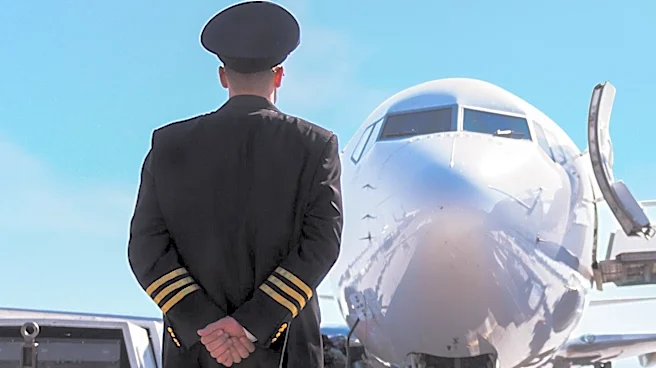
The Federal Aviation Administration (FAA) is actively supporting the Vets2Wings program, a joint initiative with the University of North Dakota (UND) aimed at transitioning military veterans into commercial pilot careers. This program has proven successful
in creating a pipeline for new pilots, with 66 active students and 39 graduates to date. Over a dozen graduates are now flying for commercial airlines such as SkyWest, Endeavor, PSA, and Envoy Air. Additionally, 20 Vets2Wings graduates are working as flight instructors at UND, accumulating the necessary flight hours for airline careers. The program has issued 192 certificates and ratings, including Instrument Rating, Commercial Multi-engine Pilot Certificates, and Flight Instructor Certificates. The FAA has secured funding for Vets2Wings for an additional four years, ensuring its continued operation and contribution to the aviation community.
Why It's Important?
The Vets2Wings program is crucial for addressing the ongoing demand for commercial pilots in the U.S. aviation industry. By providing a structured pathway for military veterans, it leverages their existing skills and discipline, offering a unique talent pool for airlines. The program significantly reduces the financial burden of flight training for veterans, which is often not covered by standard military education benefits, allowing them to focus entirely on their training. This financial relief is highlighted by participants like Harim Lee, a Specialist in the Army National Guard and First Officer at Envoy Air, who stated the program was 'life-changing.' The success of Vets2Wings in placing graduates into airlines directly contributes to maintaining and expanding the operational capacity of U.S. carriers, ensuring continued air travel services and economic activity reliant on aviation.
What's Next?
With secured FAA funding for the next four years, the Vets2Wings program is set to continue its mission of training and placing military veterans into commercial pilot roles. The program anticipates a steady increase in graduates transitioning to airline careers, further bolstering the pilot workforce. Future efforts will likely focus on expanding outreach to veterans and maintaining strong partnerships with airlines to facilitate job placements. The program will also continue to feed UND's flight instruction program, creating a self-sustaining cycle of pilot development. As more veterans complete the program, U.S. airlines, including regional carriers like Envoy Air, can expect a consistent supply of qualified and experienced pilots, helping to mitigate potential pilot shortages and support growth in air travel.
Beyond the Headlines
The Vets2Wings program represents a strategic investment in human capital development within the aviation sector, with broader implications for national security and economic stability. By supporting veterans in their transition to civilian careers, it not only addresses a critical industry need but also provides meaningful employment opportunities for those who have served. This initiative underscores the value of public-private partnerships in solving complex workforce challenges. Furthermore, the program's emphasis on mentorship and industry contact helps veterans build professional networks, which are vital for career advancement in aviation. The success of Vets2Wings could serve as a model for other industries facing skilled labor shortages, demonstrating how targeted programs can effectively bridge the gap between military service and civilian professional life.