



What's Happening?
Six major Southeast Asian economies, including Indonesia, Malaysia, Thailand, Singapore, Vietnam, and the Philippines, have announced 37 new renewable energy and electrification policies following the outbreak of the Iran war. This push is driven by intensifying
energy security challenges, growing demand, and increased reliance on imported fuels. The International Energy Agency (IEA) projects Southeast Asia's electricity demand to grow by 5.4% annually through 2030. The region has seen a nearly 30% rise in energy demand per person over the last decade, while crude oil output has decreased by 40% since its 1990s peak, leading to higher oil and liquefied natural gas (LNG) imports. The conflict in the Middle East has significantly disrupted fuel trade, prompting these nations to prioritize energy diversification and reduce their vulnerability to price fluctuations and supply disruptions. Most of the new renewable energy policies target long-term change, with implementation periods of three years or more, contrasting with fossil fuel policies that often focus on short-term relief.
Why It's Important?
This accelerated shift towards renewable energy in Southeast Asia holds significant implications for global energy markets and climate goals. As a rapidly developing region with substantial energy demand growth, its energy choices have a considerable impact on worldwide fossil fuel consumption and carbon emissions. The move away from imported fossil fuels enhances energy security for these nations, reducing their exposure to geopolitical instability and volatile global energy prices. For the U.S., this trend could influence global energy trade dynamics, potentially shifting demand patterns for energy technologies and investments. U.S. companies specializing in renewable energy technologies, such as solar and wind power, could find new markets and opportunities in the region. Furthermore, increased renewable energy adoption in Southeast Asia contributes to global efforts to combat climate change, aligning with broader international environmental objectives.
What's Next?
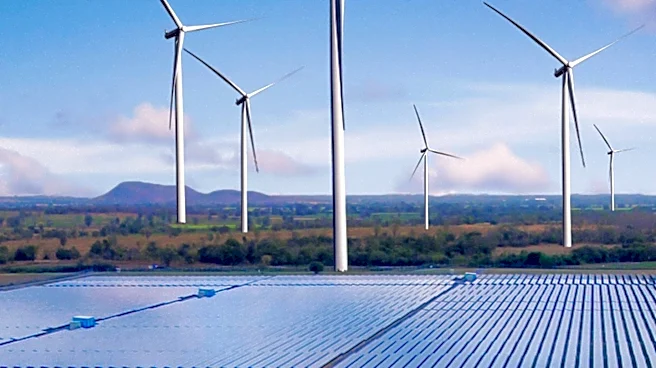
The IEA anticipates that renewable energy capacity across the Asia-Pacific region, excluding China, will expand by over 840 GW between 2026 and 2031, with Southeast Asian countries contributing approximately 20% of this increase. Solar photovoltaic installations are expected to account for nearly 80% of these additions. Governments in the region are expected to continue strengthening renewable energy policies, with a focus on improving grid infrastructure, streamlining permitting processes, and expanding access to corporate power purchase agreements. Significant investment in electricity grids, energy storage, and system flexibility will be crucial to support this expansion. Challenges such as inadequate grid infrastructure, financing difficulties, permitting delays, and land acquisition problems will need to be addressed to translate policy targets into operational projects. The ongoing geopolitical landscape and global energy market volatility will likely continue to reinforce the urgency of these renewable energy initiatives.
Beyond the Headlines
The rapid pivot to renewable energy in Southeast Asia highlights a broader global trend where energy security and climate change concerns are increasingly intertwined. This development could foster greater regional cooperation in energy policy and infrastructure development, potentially leading to a more integrated and resilient energy system in Southeast Asia. It also underscores the growing influence of geopolitical events on national energy strategies, demonstrating how external shocks can accelerate domestic policy shifts. The long-term focus of these renewable energy policies suggests a fundamental reorientation of energy systems, moving beyond short-term fixes to establish sustainable and independent energy futures. This could also spur innovation in renewable energy technologies and financing models tailored to the specific needs and challenges of developing economies in the region.