







What's Happening?
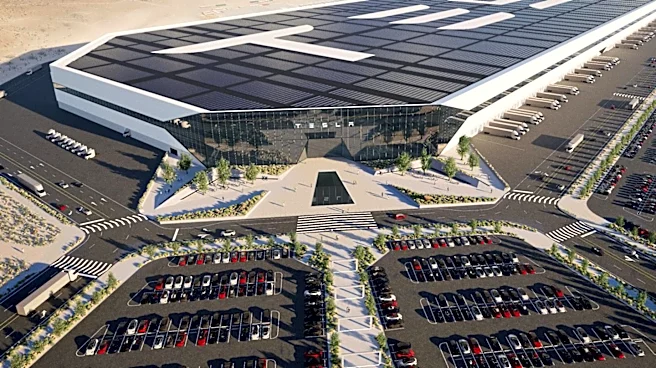
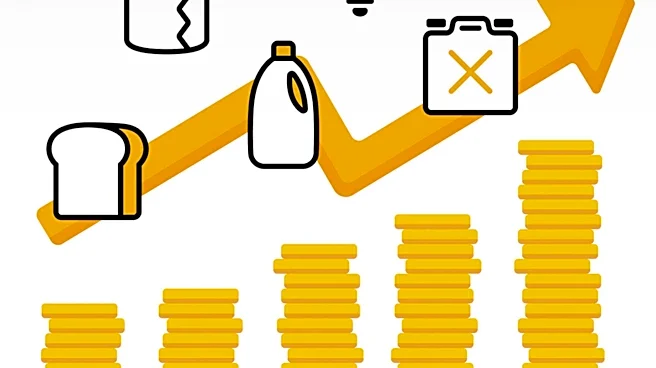
The rapid development of data centers, artificial intelligence, and domestic manufacturing is contributing to fears that electricity prices will continue to rise, further straining consumer budgets. Utilities, state regulators, and grid operators set
the underlying price for electricity, but homeowners and small business owners can take several actions to lower their monthly bills. Key strategies include conducting energy assessments, changing consumption habits, and investing in energy-efficient appliances. Energy assessments, often offered at no cost by utility companies like Duke Energy, can identify areas for improvement, such as upgrading HVAC systems or changing air filters. Additionally, adopting new habits, such as adjusting thermostat settings and using appliances during off-peak hours, can lead to significant savings.
Why It's Important?
The increase in electricity prices poses a significant challenge for consumers, particularly as rates are expected to remain high. By adopting energy efficiency measures, homeowners can mitigate the impact of rising costs. These measures not only offer immediate financial relief but also contribute to long-term sustainability by reducing overall energy consumption. The availability of rebate programs and assistance from utilities and states further incentivizes consumers to make necessary upgrades. As electricity prices continue to climb, these strategies become increasingly vital for maintaining household budgets and ensuring energy security.
What's Next?
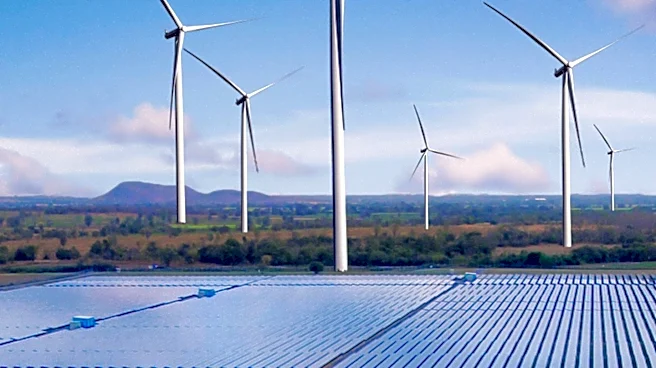
As electricity prices are projected to remain high, consumers are encouraged to continue exploring energy efficiency measures and rebate programs. Utilities may expand their offerings to include more incentives for energy-efficient upgrades. Additionally, the adoption of community solar programs could become more widespread, providing consumers with alternative options for reducing electricity costs. Policymakers and energy providers may also focus on developing more comprehensive strategies to address the underlying factors contributing to rising electricity prices.
Beyond the Headlines
The push for energy efficiency not only addresses immediate financial concerns but also aligns with broader environmental goals. By reducing energy consumption, homeowners contribute to decreased demand on the grid, potentially lowering emissions associated with electricity generation. This shift towards sustainable practices reflects a growing awareness of the environmental impact of energy use and the need for responsible consumption. As more consumers adopt these measures, there could be a significant cultural shift towards prioritizing energy efficiency and sustainability in everyday life.