









What's Happening?
U.S. Army Gen. Christopher Donahue has stepped down from his position as the commander of U.S. Army Europe and Africa after serving for 18 months. The relinquishment ceremony took place in Wiesbaden, Germany. The Army has not provided a specific reason
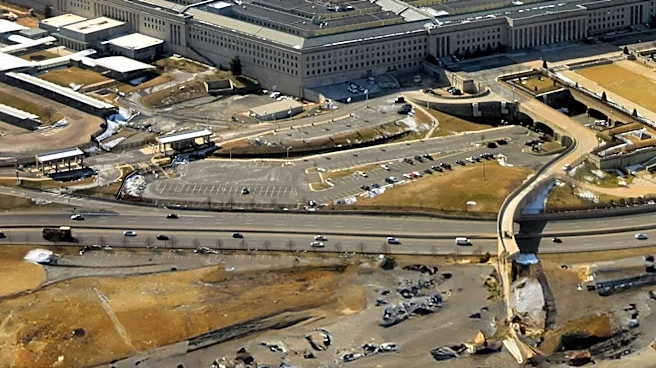
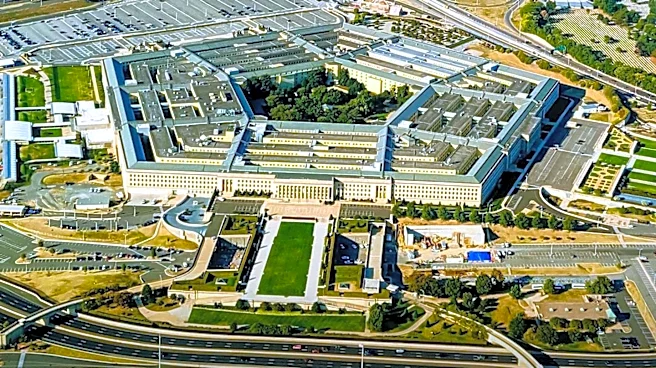
for this leadership change. In the interim, Maj. Gen. Christopher Norrie will assume the role of acting commander until a new successor is nominated by the Senate and confirmed by the president. Gen. Donahue, a West Point graduate, previously led the XVIII Airborne Corps and the 82nd Airborne Division. He is notably recognized for overseeing the U.S. withdrawal from Afghanistan in 2021, with a memorable image capturing him as the last American soldier to leave Kabul. His departure occurs amidst a series of leadership changes at the Pentagon, initiated by Defense Secretary Pete Hegseth, who has replaced or removed over a dozen senior leaders since taking office.
Why It's Important?
The departure of Gen. Donahue is significant as it reflects ongoing shifts within the Pentagon's leadership under Defense Secretary Pete Hegseth. These changes could impact the strategic direction and operational priorities of the U.S. Army in Europe and Africa, regions that are critical for U.S. military strategy due to their geopolitical importance. The transition in leadership may influence military readiness and the execution of defense policies in these areas. Additionally, the change comes at a time when the U.S. is navigating complex international relations and security challenges, making stable and effective military leadership crucial. The interim leadership by Maj. Gen. Norrie will be pivotal in maintaining continuity until a permanent successor is appointed.
What's Next?
The next steps involve the nomination and confirmation of a new commander for U.S. Army Europe and Africa. This process will require Senate approval and presidential confirmation, which could take time. Meanwhile, Maj. Gen. Norrie will manage the responsibilities of the command, ensuring that operations continue smoothly. The broader implications of this leadership change will depend on the strategic priorities set by the new commander once appointed. Stakeholders, including allied nations and military personnel, will be closely monitoring these developments to understand any shifts in military strategy or policy that may arise from this transition.