



What's Happening?
On January 17, 2026, U.S. and Ukrainian officials convened in Miami, Florida, for another round of peace negotiations. Key Ukrainian figures, including Presidential Office Head Kyrylo Budanov and Defense Council Secretary Rustem Umerov, met with U.S. representatives
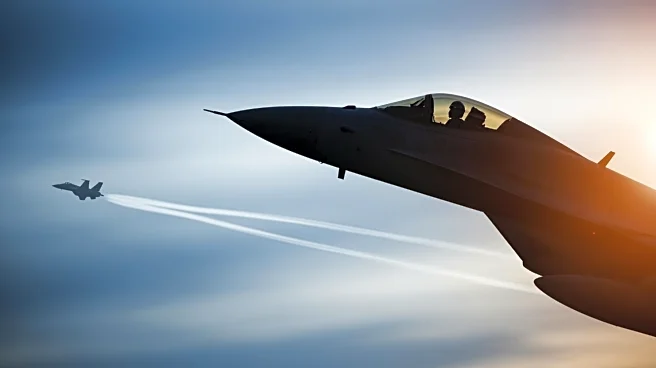
such as Special Envoy to the Middle East Steve Witkoff and former Senior Advisor Jared Kushner. The discussions aimed to address ongoing conflicts and seek a peace agreement, though the outcomes remain unclear. Concurrently, European nations are intensifying efforts to intercept oil tankers linked to Russia's shadow fleets, with Germany and Italy taking significant actions against such vessels. Additionally, NATO jets were deployed in response to Russian military aircraft nearing NATO airspace, highlighting ongoing tensions in the region.
Why It's Important?
The peace negotiations between the U.S. and Ukraine are crucial in the context of ongoing military tensions involving Russia. Successful talks could lead to a de-escalation of hostilities and a potential peace agreement, impacting regional stability and international relations. The interception of Russian-affiliated oil tankers by European countries signifies a broader crackdown on Russia's economic activities, potentially affecting global oil markets and international trade. NATO's response to Russian aircraft near its airspace underscores the alliance's commitment to defending its borders, which is vital for maintaining security in Europe. These developments collectively influence geopolitical dynamics and could have significant implications for U.S. foreign policy and international alliances.
What's Next?
The continuation of peace negotiations between the U.S. and Ukraine is expected, with both parties likely to explore further diplomatic solutions. European countries may increase their scrutiny of Russian-affiliated vessels, potentially leading to more seizures and heightened tensions. NATO's vigilance in monitoring Russian military activities is likely to persist, with possible adjustments in defense strategies to counter perceived threats. The international community will be closely watching these developments, as they could influence future diplomatic and military engagements in the region.
Beyond the Headlines
The ongoing situation highlights the complex interplay between military actions and diplomatic efforts in international relations. The peace talks, while promising, face challenges due to the entrenched positions of the involved parties. The economic implications of European actions against Russian oil tankers could lead to shifts in global energy markets, affecting prices and supply chains. Additionally, NATO's responses to Russian military maneuvers may prompt discussions on defense spending and strategic priorities among member states. These factors contribute to a broader narrative of geopolitical realignment and the search for stability in a volatile international landscape.