


What's Happening?
U.S. Immigration and Customs Enforcement (ICE) agents are set to play a security role during the upcoming Milan Cortina Winter Games, according to sources from the U.S. Embassy in Rome. The Associated Press confirmed this information with two embassy
sources. These agents will support diplomatic security details but will not engage in immigration enforcement operations. Historically, various federal agencies, including ICE's Homeland Security Investigations, have provided security for U.S. diplomats at international events. However, the involvement of ICE has sparked controversy, particularly from Milan Mayor Giuseppe Sala, who expressed strong opposition to their presence, citing concerns over their enforcement tactics. The Italian Interior Ministry has not confirmed the specifics of the U.S. security detail, maintaining that there are no current indications of ICE acting as escorts for the American delegation.
Why It's Important?
The participation of ICE agents in the Milan Cortina Olympics security detail is significant due to the agency's controversial reputation regarding immigration enforcement. This development highlights the complexities of international security collaborations, especially when involving agencies with contentious domestic roles. The presence of ICE could potentially strain diplomatic relations between the U.S. and Italy, as local authorities and public figures express unease. Additionally, the involvement of ICE in a non-enforcement capacity underscores the broader security measures taken by the U.S. to protect its diplomats and officials abroad. This situation also reflects ongoing debates about the role and perception of U.S. federal agencies in international contexts.
What's Next?
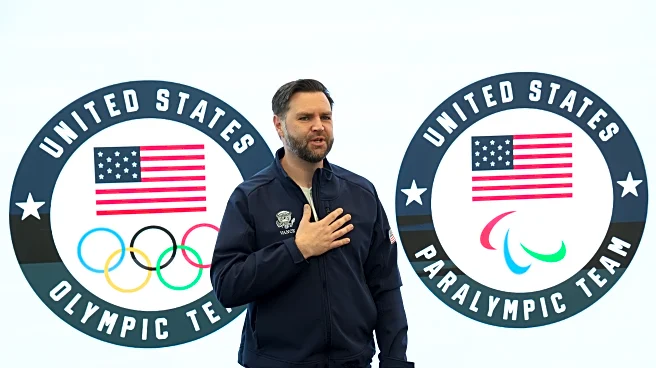
As the Winter Games approach, further clarification on the roles and responsibilities of the U.S. security detail, including ICE agents, is anticipated. The U.S. delegation, led by Vice President JD Vance, will attend the opening ceremony, and their security arrangements will likely be scrutinized. Italian authorities may continue to negotiate and communicate with U.S. officials to ensure a balanced approach that respects local sentiments while maintaining security. Public and political reactions in both countries could influence future collaborations and the operational scope of U.S. agencies in international events.