



What's Happening?
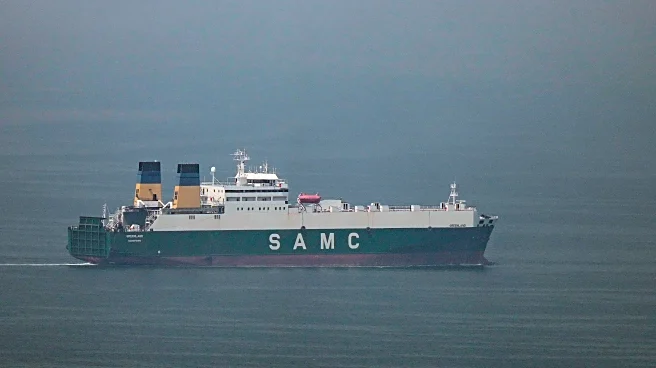
The ongoing conflict in Iran has led to significant disruptions in the global supply chain for fertilizers, which are crucial for U.S. agriculture. The Strait of Hormuz, a vital passage for about one-third of the world's fertilizer ingredients, has been
effectively shut due to military actions, causing a halt in shipments. This has resulted in a sharp increase in fertilizer prices, with ammonia prices in the Middle East rising by 92% and urea by 70% compared to the previous year. In the U.S., ammonia prices have increased by 41% and urea by 21% over the same period. The conflict has also affected oil prices, with U.S. crude oil reaching $99 a barrel, further impacting the cost of diesel fuel used in farming operations.
Why It's Important?
The rise in fertilizer and fuel costs poses a significant threat to U.S. farmers, who rely on these inputs for crop production. Higher production costs could lead to increased food prices, affecting consumers nationwide. The situation is particularly concerning as the planting season begins, with about 25% of farmers yet to secure their fertilizer supplies. The potential for reduced crop yields and shifts in planted acreage could impact food security and affordability. The Trump administration is reportedly close to announcing measures to mitigate these costs, but details remain undisclosed.
What's Next?
As the conflict continues, the U.S. government may need to implement strategies to ensure the availability and affordability of fertilizers and fuel for farmers. This could involve securing alternative supply routes or providing financial assistance to affected farmers. The Agriculture Secretary has indicated that solutions are forthcoming, but the specifics are yet to be revealed. The situation requires close monitoring as further disruptions could exacerbate the challenges faced by the agricultural sector.