


What's Happening?
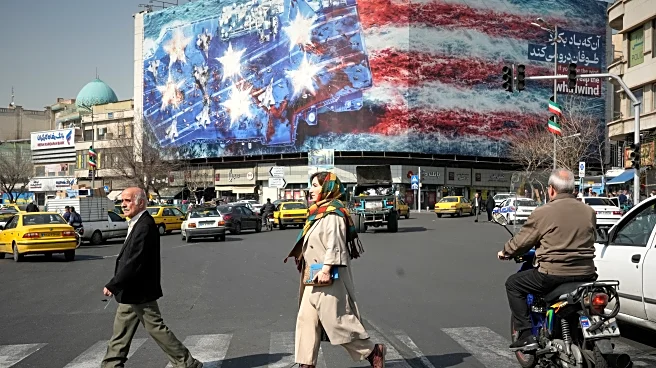
Analysts at Raymond James have indicated that a U.S. military operation in Iran is 'likely at this stage,' though the specifics of such an action remain uncertain. This development follows a significant increase in American military presence in the Middle
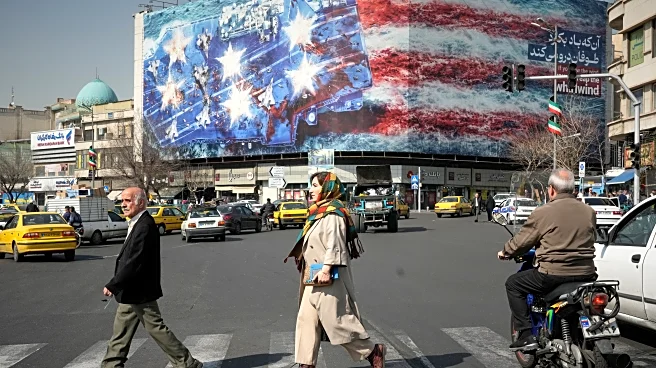
East and a stalemate in negotiations between the U.S. and Iran. The U.S. has demanded that Iran cease its nuclear program and limit its ballistic missile activities, while also reducing support for regional armed proxies. Iran has rejected these terms, maintaining that it has never attempted to develop nuclear weapons. President Trump has stated that a decision regarding Iran will be made within 10 days, emphasizing a desire to 'make a deal or get a deal one way or the other.' Iran's Supreme Leader, Ali Khamenei, has warned of a strong response to any U.S. attacks.
Why It's Important?
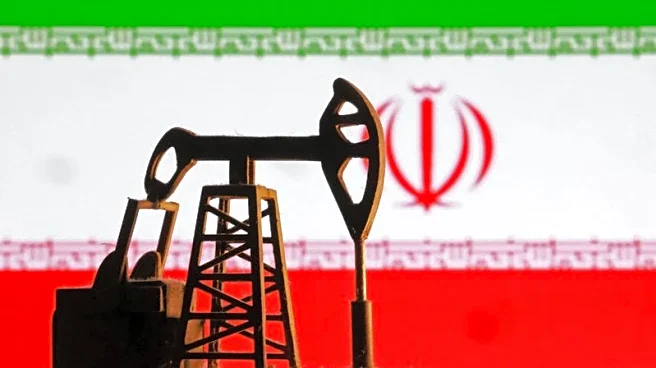
The potential for U.S. military action in Iran could have significant implications for global oil markets, as Iran is a major oil producer and controls the Strait of Hormuz, a critical chokepoint for global oil supply. Disruptions in oil flow could lead to increased oil prices, impacting inflation and economic stability worldwide. Central banks might face challenges in adjusting interest rates due to these economic pressures. Additionally, military conflict could further destabilize the Middle East, affecting regional security and international relations. The situation also highlights the ongoing geopolitical tensions between the U.S. and Iran, with potential consequences for diplomatic efforts and international peace.
What's Next?
President Trump is expected to make a decision on the U.S. approach to Iran within the next 10 days. The outcome could range from diplomatic negotiations to military action, depending on Iran's response to U.S. demands. The international community will be closely monitoring the situation, as any military engagement could have widespread repercussions. Iran has vowed a strong retaliatory response to any U.S. military actions, which could escalate into broader conflict. Stakeholders, including global oil markets and regional allies, will be preparing for potential disruptions and seeking to mitigate risks associated with increased tensions.