



What's Happening?
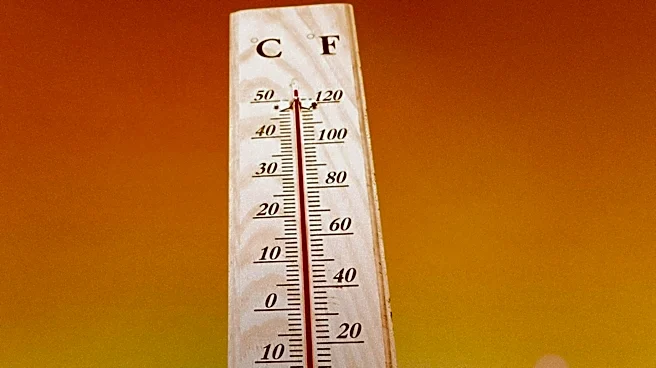
Phoenix is currently under a 'First Alert Weather Days' advisory, effective from today through Sunday, due to an anticipated period of extreme heat. Temperatures are expected to reach 110 degrees Fahrenheit or hotter, with Monday projected to peak around
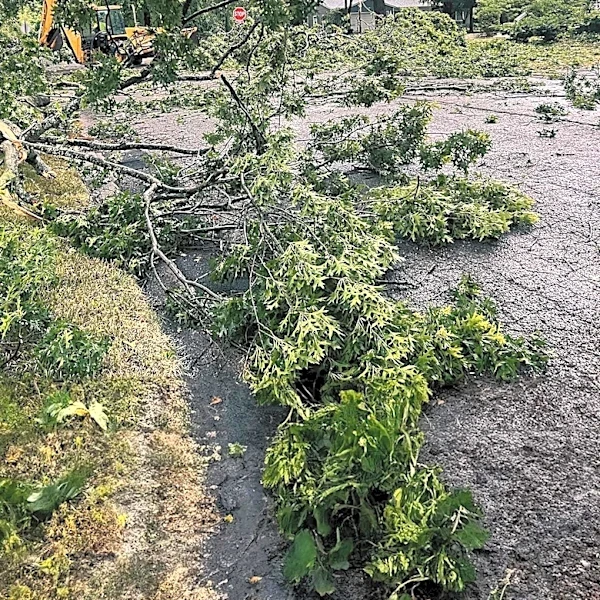
113 degrees. Overnight relief will be minimal, as lows are predicted to remain around 90 degrees throughout the weekend. Humidity levels are also expected to rise, with dew points increasing from the mid-50s today to the upper-50s and low-60s starting Wednesday and continuing into Friday. While isolated storms are forecast for eastern Arizona today and Tuesday, storm coverage is expected to intensify in the High Country later in the week, potentially leading to gusty outflow winds in the Valley. There is also a slight, though uncertain, chance of Valley showers occurring Thursday night into Friday morning.
Why It's Important?
The declaration of 'First Alert Weather Days' for extreme heat in Phoenix carries significant implications for public health, infrastructure, and daily life in the region. Prolonged exposure to temperatures exceeding 110 degrees can lead to severe heat-related illnesses, including heatstroke and heat exhaustion, posing a particular risk to vulnerable populations such as the elderly, young children, and outdoor workers. The minimal overnight cooling further exacerbates these risks, as the body has less time to recover from the day's heat. Increased energy consumption for air conditioning will strain the power grid, potentially leading to outages. The rising humidity will make the heat feel even more oppressive, increasing discomfort and health risks. The potential for gusty outflow winds from High Country storms could also create hazardous conditions, including dust storms, which can reduce visibility and impact air quality. This situation underscores the ongoing challenges faced by urban areas in the Southwest due to rising temperatures and the need for robust public health and infrastructure responses.
What's Next?
Residents in Phoenix are advised to take immediate precautions to mitigate the effects of the extreme heat. This includes staying hydrated, seeking air-conditioned environments, and avoiding strenuous outdoor activities, especially during peak heat hours. Public health officials will likely continue to issue warnings and provide resources for cooling centers. Utility companies will be on high alert to manage increased demand on the power grid and respond to any outages. Emergency services will need to be prepared for a potential increase in heat-related medical emergencies. The forecast for increased storm activity in the High Country and the possibility of Valley showers later in the week suggest that weather patterns could shift, potentially bringing some relief from the heat but also introducing new hazards like strong winds. Authorities will continue to monitor weather conditions closely and update advisories as needed.
Beyond the Headlines
The recurring and intensifying extreme heat events in Phoenix, as highlighted by these 'First Alert Weather Days,' point to broader long-term challenges related to climate change and urban development in arid regions. The 'heat island effect' in urban areas like Phoenix, where extensive concrete and asphalt absorb and re-emit heat, exacerbates already high temperatures. This situation raises critical questions about sustainable urban planning, the design of public spaces, and the long-term habitability of certain regions. It also underscores the need for innovative solutions in energy management, water conservation, and public health infrastructure to adapt to a changing climate. The economic implications are also significant, affecting tourism, outdoor labor, and the cost of living due to higher energy demands. The ongoing struggle with extreme heat in Phoenix serves as a microcosm for similar challenges faced by other cities globally, prompting a reevaluation of how communities can build resilience against increasingly frequent and severe weather phenomena.