






What's Happening?
Nigeria is actively transitioning towards a nationally owned crisis response system, aiming to assert greater control over humanitarian efforts within its borders. This shift involves the government increasingly shaping the political and regulatory environment
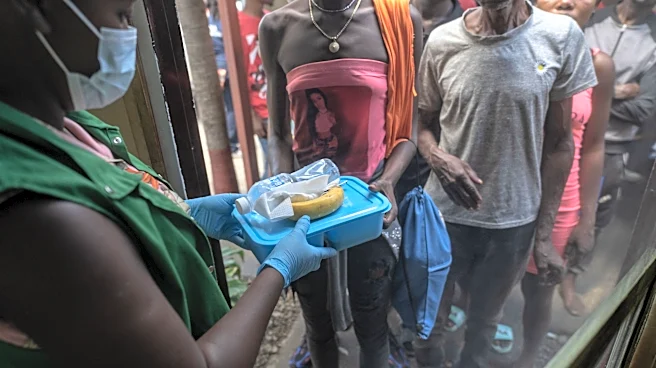
for crisis response, while financing, technical expertise, and operational delivery remain distributed among state, domestic civil society, and international actors. Recent reforms, such as the Household Prosperity and Economic Social Protection initiative (HOPE-SP) and the One Humanitarian, One Poverty Response System (OHOPRS), seek to integrate poverty reduction with shock-responsive assistance. This transition comes as Nigeria faces significant humanitarian needs, with over 30 million people experiencing acute food insecurity, making it the largest national caseload globally. The current international response is under severe funding pressure, with only 45% of the 'hyper-prioritized' Humanitarian Needs and Response Plan funded by June 2026.
Why It's Important?
This transition is crucial for Nigeria as it seeks to establish a more sustainable and effective crisis response system, moving away from a fragmented, internationally-led model. The current system's funding shortfalls highlight the urgent need for national leadership and investment. However, the success of this shift hinges on building public trust, especially with presidential elections approaching. Past social-protection initiatives have faced credibility issues regarding participant targeting and transparency, which could undermine the new system if not addressed. A credible transition requires transparent eligibility rules, reliable data, independent oversight, and safeguards against partisan influence. The move also presents a test for international donors and organizations to provide steady support and capacity building, as such transitions typically take years and require sustained commitment from all stakeholders.
What's Next?
The 2027 deadline for this transition looms, and several practical questions remain unresolved, including how federal leadership will connect with state institutions, which coordination and information-management functions will be nationally led, and what capacity support will accompany these changes. State-level ministries and agencies are only beginning to be brought into these conversations, with capacity-strengthening processes just starting. The challenge for Nigeria is to move beyond declarations of intent to sustained implementation and significant domestic funding and political commitment. The transition will be judged not by its design but by its ability to deliver assistance effectively to those in need, without compromising the ongoing provision of essential services. The upcoming election year will further test the transparency and impartiality of these reforms.
Beyond the Headlines
The shift towards nationally owned crisis response in Nigeria reflects a broader global trend where governments in crisis-affected countries are asserting more control over humanitarian operations. While this can lead to more sustainable and context-appropriate solutions, it also carries inherent risks. There's a delicate balance between empowering national actors and ensuring that urgent humanitarian needs continue to be met, especially when international funding is retreating. The potential for political interference, corruption, or a lack of capacity within national systems could jeopardize the effectiveness of aid delivery. This transition also raises fundamental questions about the role of international humanitarian organizations in a changing global landscape and the need for genuine partnerships that prioritize local ownership and accountability. The success or failure of Nigeria's approach could serve as a significant case study for other nations grappling with similar challenges.