

What's Happening?
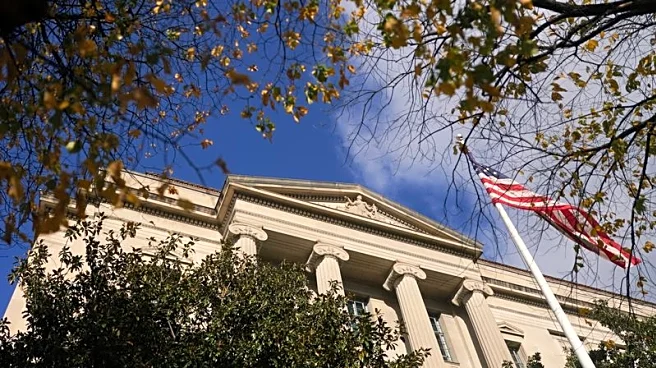
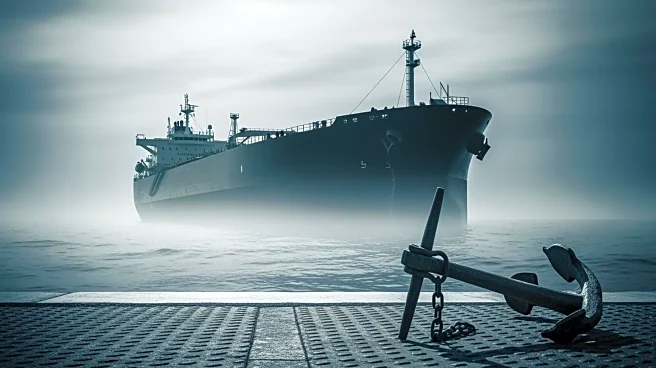
The U.S. Department of Justice has filed for the forfeiture of the tanker Skipper and its cargo of Venezuelan crude oil. The vessel, seized on December 10, 2025, has been anchored near the Galveston, Texas oil terminal since December 21. The tanker, previously
known as Adisa, has been under U.S. sanctions since November 2022 due to its involvement in facilitating fuel sales for Iran and Venezuela. The U.S. alleges that the tanker was involved in activities that generated funds for the Islamic Revolutionary Guard Corps, which were used to fund terrorist activities. The ship was reportedly claiming a false flag in Guyana, rendering it stateless, and was ordered by its operators to head to Asia instead of Cuba, despite having loaded approximately 1.8 million barrels of crude in Venezuela. Ownership of the vessel is uncertain, with reports indicating it was controlled by a corporation registered in the Seychelles after a name change.
Why It's Important?
This action by the U.S. Department of Justice underscores the ongoing efforts to enforce sanctions and prevent the funding of activities deemed threatening to U.S. national security. By targeting vessels like the Skipper, the U.S. aims to dismantle operations that defy international sanctions and contribute to global instability. The seizure of the tanker and its cargo highlights the U.S.'s commitment to using legal measures to curb illicit financial flows that support terrorism. This move could have significant implications for international shipping and oil trade, particularly for countries and entities involved in circumventing sanctions. It also sends a strong message to other operators engaged in similar activities that the U.S. is vigilant and prepared to take decisive action.
What's Next?
The U.S. is likely to continue its campaign against other tankers involved in similar activities, with the Skipper being one of at least two tankers currently held off Texas. The Department of Justice may file additional forfeiture complaints as it moves against other vessels. The international community, particularly countries involved in oil trade with sanctioned nations, will be closely monitoring these developments. The outcome of this case could influence future enforcement actions and international cooperation in upholding sanctions. Stakeholders in the maritime and oil industries may need to reassess their compliance strategies to avoid potential legal and financial repercussions.