



What's Happening?
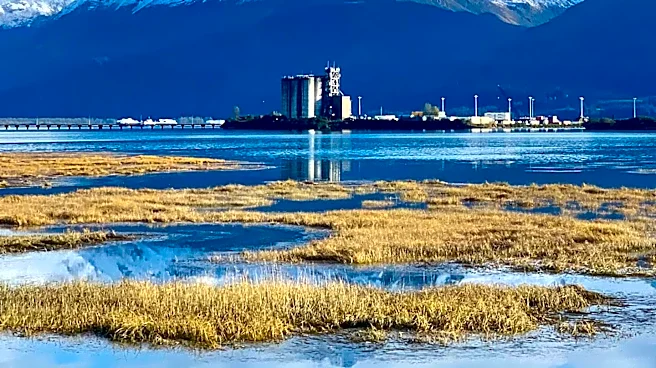
Alaska's mayors, including Anchorage Mayor Suzanne LaFrance, have raised alarms about the potential for increased utility costs due to a natural gas shortage in Southcentral Alaska. The declining production in Cook Inlet is expected to lead to higher
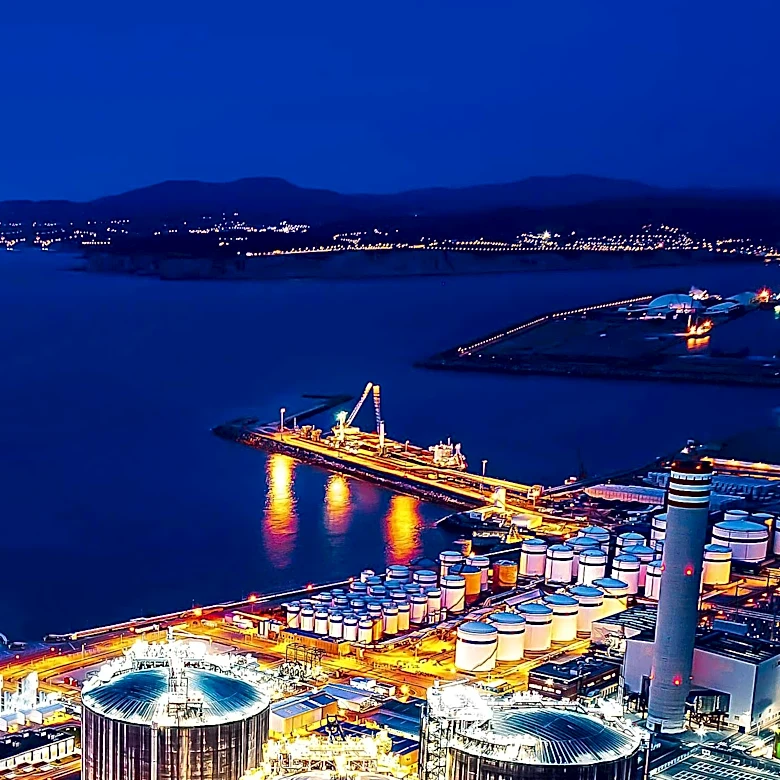
electricity and heating bills, with projections of up to a 50% increase in costs by 2030. The proposed Alaska LNG project is seen as a potential solution to stabilize the region's energy supply, but it faces financial and regulatory hurdles. Local utilities are exploring alternatives, such as importing LNG, which could further drive up costs. The situation is exacerbated by the lack of consensus among lawmakers on necessary tax incentives to make the LNG project viable.
Why It's Important?
The natural gas shortage in Alaska highlights the vulnerabilities in the state's energy infrastructure and the broader implications for energy security and economic stability. Rising utility costs could significantly impact households, particularly those already struggling with high living expenses. The situation underscores the need for strategic energy planning and investment in sustainable energy solutions. The proposed LNG project represents a critical opportunity to address these challenges, but its success depends on overcoming financial and regulatory barriers.
What's Next?
The urgency of the natural gas shortage is likely to prompt increased political and public pressure for solutions. The Alaska LNG project will remain a focal point, with stakeholders pushing for legislative support to secure its future. In the short term, utilities may need to implement contingency plans, such as rolling blackouts, to manage supply constraints. The situation could also drive broader discussions on energy policy and the need for diversification of energy sources in Alaska.