







What's Happening?
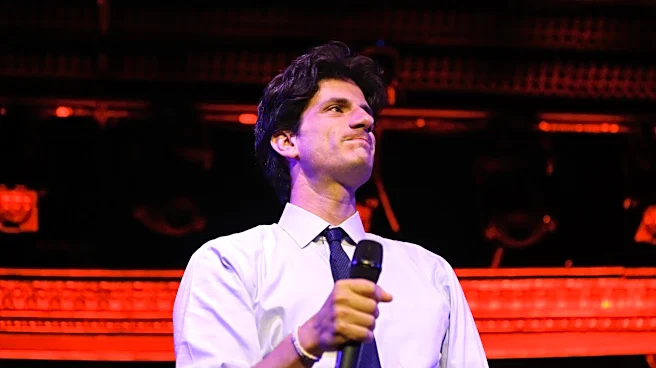
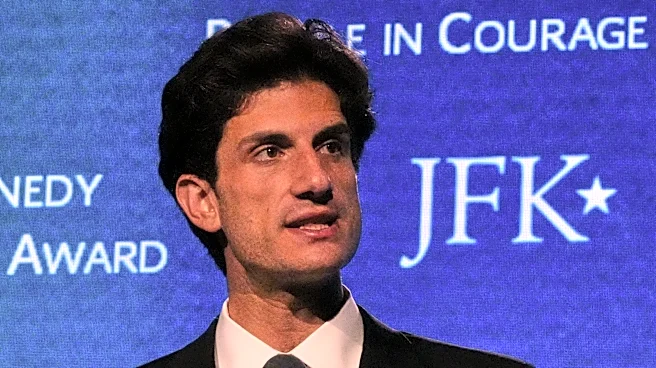
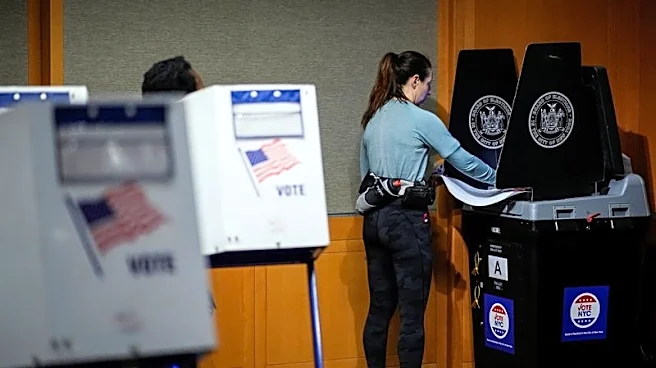
In a closely watched Democratic primary for an open congressional seat in Manhattan, Jack Schlossberg, a member of the Kennedy family, was defeated by New York State Assembly Member Micah Lasher. Lasher, who has a long history in politics, including working
for Rep. Jerry Nadler, secured the victory with support from New York's Democratic establishment. Schlossberg, despite his famous lineage and social media presence, faced challenges due to his limited professional experience. The race was notable for its high-profile nature and the involvement of artificial intelligence interests, which turned it into an expensive proxy battle. Lasher's victory positions him well for the general election in a district where Democrats are the majority.
Why It's Important?
The outcome of this primary highlights the ongoing influence of political dynasties and the challenges they face in modern elections. Schlossberg's defeat underscores the importance of political experience and the ability to connect with voters on pressing issues like cost of living and corruption. The race also reflects the growing impact of technology and artificial intelligence on political campaigns, as significant financial resources were directed towards influencing the outcome. Lasher's win could signal a shift towards candidates with established political careers and connections, potentially affecting the Democratic Party's strategy in future elections.
What's Next?
With Lasher's victory, attention now turns to the general election, where he is favored due to the district's Democratic majority. His campaign promises to revamp the Democratic Party in Washington and deliver on bold new ideas will be tested as he seeks to secure the seat. The involvement of AI interests in the primary may lead to increased scrutiny and debate over the role of technology in politics, potentially influencing future legislative priorities. Additionally, the Democratic Party may need to reassess its approach to candidate selection and campaign strategies to address the concerns raised by Schlossberg and others about the need for fresh, responsive leadership.