






What's Happening?
The Wisconsin Department of Health Services has reported a significant increase in cyclosporiasis cases, with 160 cases confirmed, including 50 domestically acquired infections. This intestinal illness, caused by the Cyclospora parasite, typically results
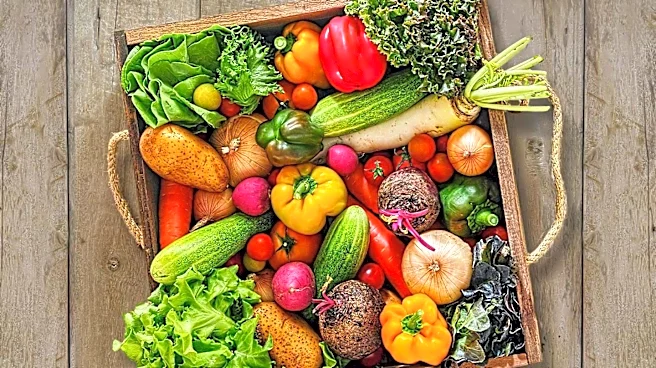
in symptoms like watery diarrhea and is often linked to contaminated food or water. The rise in cases without international travel history is unusual, as Wisconsin typically sees 20 to 30 such cases annually. The Centers for Disease Control and Prevention (CDC) has noted a nationwide increase, with over 6,700 cases reported, marking a significant rise from previous weeks. The CDC is investigating potential links to contaminated produce, including iceberg lettuce.
Why It's Important?
The surge in cyclosporiasis cases in Wisconsin and across the U.S. highlights potential public health risks associated with food safety. The increase in domestically acquired cases suggests a possible contamination source within the U.S. food supply chain, prompting investigations by health authorities. This situation underscores the importance of stringent food safety practices and monitoring to prevent outbreaks. The health implications are significant, as cyclosporiasis can lead to severe gastrointestinal symptoms and impact public health resources. The outbreak also raises awareness about the need for consumers to practice safe food handling and hygiene.
What's Next?
Health authorities, including the CDC and FDA, are continuing to investigate the source of the outbreak, focusing on potential links to contaminated produce. Public health officials are likely to issue further guidance on food safety and may implement measures to trace and control the source of contamination. Consumers are advised to follow safe food handling practices to reduce the risk of infection. The situation may lead to increased regulatory scrutiny and potential recalls of contaminated products to prevent further spread.